License Number: cpc1457222


Have you ever wondered which pool shape offers the best value for your money? This is a question we often consider when planning to install a pool. There are many factors to examine to determine which shape might be the most cost-effective. While we’re all dreaming of that perfect backyard oasis, let’s break down the details to help you decide which pool shape gives you more splash for your cash.

Different Pool Shapes and Their Costs
When we dream about installing a pool, the shape is often the first consideration. The shape directly impacts the cost, as it influences materials, labor, and maintenance requirements. In this section, let’s explore several common pool shapes and their associated costs.
Rectangular Pools
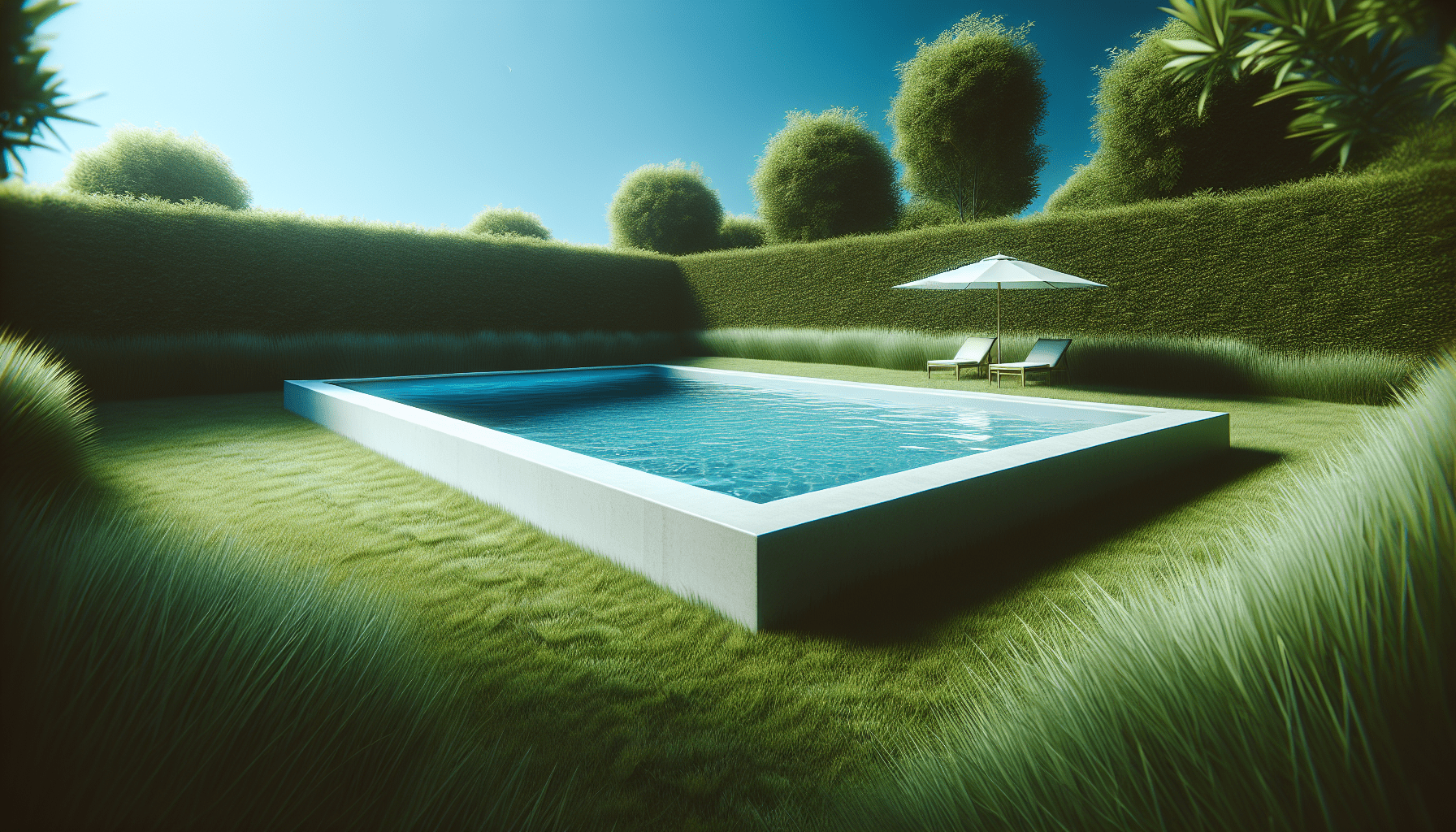
Rectangular pools are classic, straightforward, and often considered highly cost-effective. Due to their simple design, building them requires less labor and fewer materials. This structure is great for swimming laps and provides a sleek, modern aesthetic. A rectangular pool is typically the cheapest option if you’re opting for a straightforward installation without extra features.
Geometric Pools
Geometric pools come with more defined shapes, including squares and circles. These shapes might slightly increase the costs because they often involve more intricate design work and labor. They can also lead to higher material costs, making them less budget-friendly than rectangular pools. However, they offer a stylish look that many homeowners find appealing.
Freeform Pools
Freeform pools offer an organic, natural appearance, resembling natural bodies of water. Although beautiful and highly customizable, freeform designs can result in higher construction costs. Their curves and custom features require more time and specialized materials. If we want a pool that seamlessly integrates into landscaping, the added cost might be worth it.
L-Shaped Pools
L-shaped pools offer versatility, especially for larger spaces. They provide distinct areas for various activities, like separating shallow lounging areas from deeper swimming zones. The additional corners and space often make them more expensive upfront. However, their versatility can be an attractive selling point, potentially increasing your property value.
Pool Size: Does Bigger Mean More Expensive?
Let’s talk size. When choosing a pool, we might wonder if a bigger pool always equals a bigger price tag. The answer isn’t as straightforward as you might think.
Cost Per Square Foot
We typically assess a pool’s cost by its size, measured in square footage. Larger pools require more materials and translate into higher labor costs. However, opting for a smart layout and maximizing design efficiencies may keep these costs manageable.
| Pool Size | Estimated Average Cost |
|---|---|
| Small (up to 400 sq ft) | $25,000 – $45,000 |
| Medium (400 – 800 sq ft) | $45,000 – $70,000 |
| Large (over 800 sq ft) | $70,000+ |
Depth Considerations
Depth is another aspect that influences the overall cost. Deeper pools require more excavation and structural support. A deeper pool may mean additional safety features and maintenance costs, but it can also enhance swimming experiences.

Material Choices That Impact Cost
The materials we choose for our pool can significantly impact our budget. Let’s explore how some common materials can affect the overall cost of a pool project.
Concrete Pools
Concrete pools offer durability and customization. They allow for any shape, size, and depth but involve higher installation costs because of the intensive labor and materials required. They also require more frequent maintenance, slightly increasing long-term costs.
Vinyl Pools
Vinyl pools are generally more affordable than concrete. Their liners are custom-fit and offer some flexibility in shapes. The initial installation is cheaper, but you’ll need to replace the liner periodically, which adds to the maintenance costs.
Fiberglass Pools
Fiberglass pools are pre-molded and quick to install. Their smooth surface resists algae growth, reducing cleaning costs. Although upfront costs can be higher than vinyl, their lower maintenance costs might make them a more economical long-term choice.
Maintenance Costs: What to Expect
When investing in a pool, we must think beyond the initial price. Maintenance costs also vary based on the pool’s shape and size. Larger, more complex shapes can translate into higher maintenance expenses.
Regular Cleaning
Every pool needs regular cleaning. The shape affects cleaning time; more angles and additional features require more meticulous attention. Equipment, such as vacuums, scrubbing tools, and filtration systems, should be considered.
Chemical Balance
Maintaining pool water’s chemical balance ensures a safe and enjoyable swimming environment. Rectangular and geometric shapes are typically easier to treat. Pools with unique curves and configurations might need additional time and expertise to keep them balanced.
Repairs and Replacements
Eventually, all pools need repairs. Shapes with more intricate designs sometimes require more expensive repairs. Simpler shapes, like rectangular pools, often present easier and cheaper fixes.

Benefits of Choosing the Right Pool Shape
Let’s focus on why a particular pool shape could be the right choice as we factor in costs. A pool’s shape significantly affects how we enjoy our aquatic retreat.
Pool Usage
Consider how we’ll use the pool. For exercise enthusiasts, a rectangular pool suits laps. If we plan for family fun, L-shaped or freeform pools might offer zones for different activities.
Aesthetics and Integration
We aim to create a harmonious outdoor space. Freeform shapes blend with natural environments, while geometric pools might enhance modern design themes. Choosing a shape that complements landscaping and architecture improves our overall outdoor experience.
Potential Property Value Increase
A pool often increases property value. However, the appropriate shape enhances this potential. Thoughtful integration and functional design spaces attract more interest when reselling, giving back more than the initial investment.
Partnering With Gulf Breeze Pools and Spas
Navigating pool building decisions can be daunting, but selecting the right team makes it seamless. Gulf Breeze Pools and Spas are well-equipped to guide us through every step of our pool journey.
Why Choose Gulf Breeze Pools and Spas?
Their expertise ensures our project reflects quality, efficiency, and enjoyment. From design to construction, their skilled professionals deliver outstanding results.
- Location: 4274 Gulf Breeze Pkwy, Gulf Breeze, FL 32563
- Contact: (850) 232-4133
- Website: Gulf Breeze Pools and Spas
Their Services
They specialize in custom pools, ensuring we find the right shape and material for our budget. Whether considering a simple vinyl design or luxurious concrete construction, they make our dream a reality.
Conclusion: Which Pool Shape is Cheapest?
Determining the most cost-effective pool shape requires considering design, materials, size, and maintenance. Rectangular pools often emerge as the economical choice due to their simplicity and ease of construction and maintenance. However, balancing factors like intended usage, aesthetics, and long-term potential value provides a comprehensive strategy for decision-making. Embracing the expertise of professionals like Gulf Breeze Pools and Spas ensures our backyard oasis is both a wise investment and a source of lasting enjoyment.
