License Number: cpc1457222


Have you ever wondered which pool material might suit your backyard oasis better, gunite or concrete? The decision can be tricky without the right information. Let us guide you through this aquatic conundrum, bringing warmth and clarity to your pool planning.

Understanding Gunite and Concrete
What is Gunite?
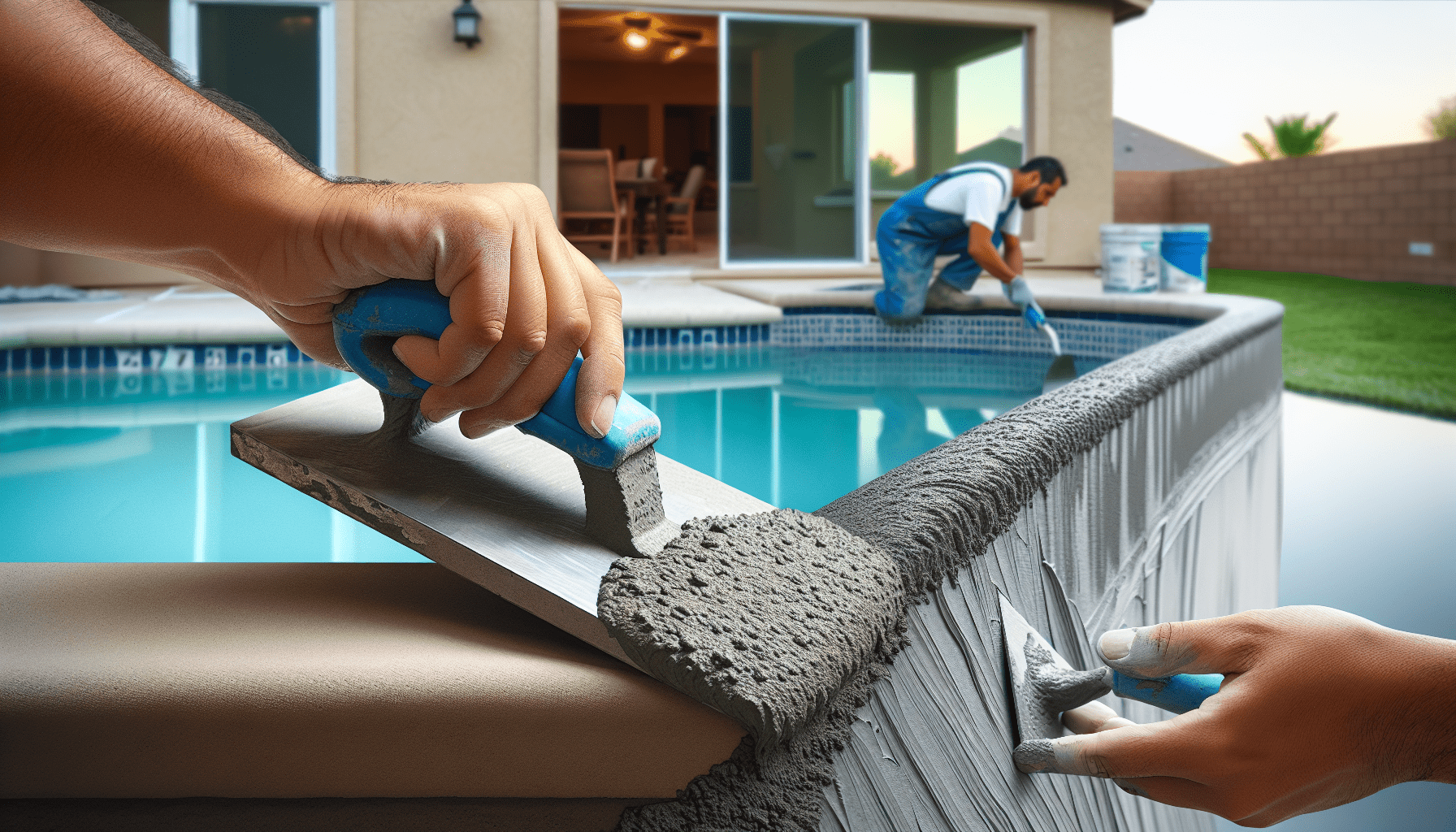
Gunite is a mixture of sand and cement. It is sprayed onto surfaces using a high-pressure hose. This allows for custom shapes and designs, offering flexibility in pool construction. gunite pools are known for their durability and are a popular choice for those who value longevity.
What is Concrete?
Concrete, in the context of pools, often refers to poured concrete used with forms to create a variety of shapes. While gunite is a type of concrete, the term “concrete pool” usually denotes traditional poured concrete. It involves setting up a wooden structure to hold the poured concrete until it sets.
Comparing Durability
The Durability of Gunite
gunite pools are renowned for their strength and durability. The sprayed application allows for a dense surface, resistant to various environmental factors. With proper maintenance, gunite pools last many years without significant issues.
The Durability of Concrete
Traditional concrete pools are durable, but they can be prone to cracking if the ground shifts or if not installed correctly. However, with good care and attention, they offer longevity similar to that of gunite pools.

Aesthetics and Design Flexibility
Custom Designs with Gunite
Gunite offers unparalleled freedom in design. Whether you dream of a lagoon-style retreat or a geometric masterpiece, gunite makes it feasible. Its flexibility aids in creating freeform pools, vanishing edges, and more intricate designs.
Design Possibilities with Concrete
Concrete pools also offer design possibilities, though they are typically more standard in shape. They require more effort to achieve unique designs, given the limitations of traditional formwork.
Installation Process
How is Gunite Installed?
Gunite installation involves creating a rebar framework, onto which the gunite is sprayed. This construction method allows it to hold its shape beautifully. Once the framework is in place, the process of spraying the gunite can be completed relatively quickly.
How is Concrete Installed?
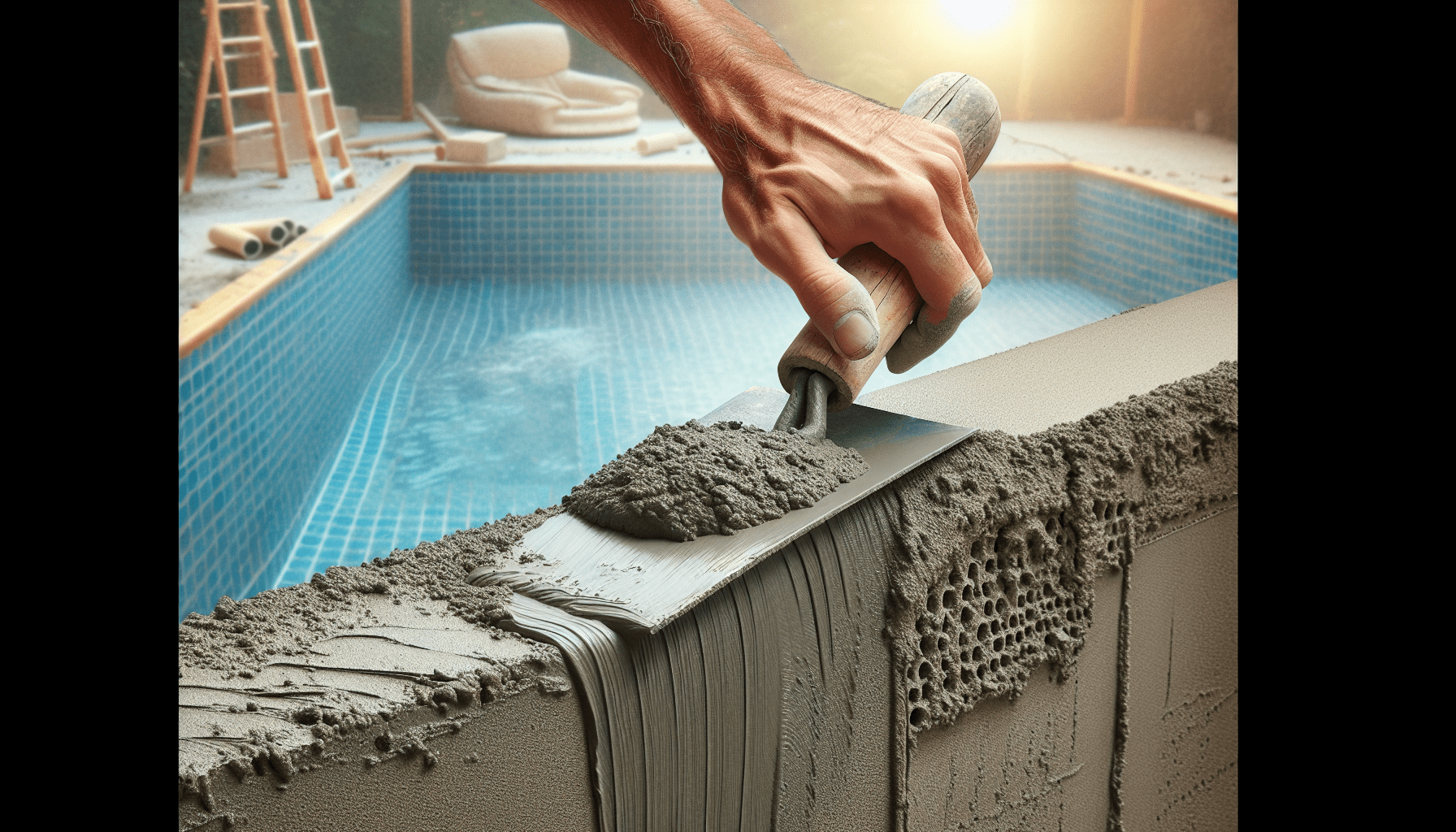
Traditional concrete installation involves setting up a form that outlines the pool’s shape. The concrete is then poured into these forms. This process can take longer due to the steps involved in preparing and removing the forms.
Maintenance and Longevity
Maintaining a Gunite Pool
Gunite pools require regular maintenance, such as surface brushing and water balancing, to keep them in top condition. The porous surface can lead to algae growth if not properly managed.
Maintenance Needs for Concrete Pools
Concrete pools also need regular care. The surface might need refinishing every few years to maintain its appearance and functionality. Like gunite, concrete’s porous nature demands vigilant maintenance to prevent problems.
Cost Comparison
Cost of Gunite Pools
Gunite pools can be more expensive initially due to their custom nature and construction process. However, the cost may prove worthwhile considering the design flexibility and durability.
Cost of Concrete Pools
Concrete pools might be less expensive initially than gunite, particularly if choosing standard shapes and sizes. However, they can incur costs over time with maintenance and repairs.
Environmental Impact
Environmental Aspect of Gunite
Gunite, like concrete, is a resource-intensive material. Making more eco-friendly choices, such as proper insulation and efficient pool systems, can mitigate environmental impact.
Environmental Considerations with Concrete
Concrete also has a significant environmental footprint. Utilizing practices like recycling materials and efficient construction techniques can help offset negative impacts.
Which is Easier to Repair?
Repairing Gunite Pools
Repairing gunite is relatively straightforward as it involves patching small areas. While repairs can be easily managed, significant damage might require professional help.
Repairing Concrete Pools
Concrete repairs can be more challenging due to the nature of poured concrete. Cracks or leaks might require substantial intervention, including draining the pool.
Recommendations
When deciding between gunite and concrete for your pool, consider factors such as desired design, budget, maintenance willingness, and environmental concerns. For professional advice and quality installation, gulf breeze pools and spas is a trusted option in the Gulf Breeze area. Contact them for your pool and spa construction needs:
- Gulf Breeze Pools and Spas
- Address: 4274 Gulf Breeze Pkwy, Gulf Breeze, FL 32563
- Phone: (850) 232-4133
- Website: Gulf Breeze Pools and Spas
Making an Informed Decision
In choosing between gunite and concrete for your pool, the decision boils down to personal preference and practical considerations. Both materials have strengths and weaknesses, but understanding these can help you make the best choice for your situation. We trust this guide has provided clarity and direction for your journey to creating a backyard paradise.
By thinking critically about how each material suits your lifestyle and needs, you can embrace your pool project with enthusiasm and confidence. Happy swimming awaits.