License Number: cpc1457222


Have you ever wondered what makes the structure of a swimming pool strong and long-lasting? Understanding the essential components and materials of swimming pools is crucial for ensuring their durability and safety. One key material in pool construction is cement. It is used in various forms and applications to keep pools sturdy and water-tight. In this guide, we’ll explore the different types of cement used in swimming pools, helping us make informed choices for any future pool-building adventures.

Understanding Swimming Pool Construction
Swimming pools can transform backyards into personal paradises. The construction of a swimming pool must withstand constant pressure and exposure to water, chemicals, and weather conditions. This starts with choosing the right materials. Cement is a fundamental component of pool construction, but not all cement is the same. Making the right choice requires understanding the specific needs of pool projects.
Pool Shells and Cement
The pool shell is the main structure that holds the water within the pool. It needs to be robust and resistant to leaks. Cement plays a vital role here. Various forms of this versatile material are used to create that watertight shell, each with its own benefits.
Types of Cement for Pool Construction
Choosing the right type of cement is essential to ensure pool durability and longevity. Let’s look at some of the most commonly used types in swimming pool construction.
Portland Cement
Portland cement is a popular choice due to its strength, ease of mix, and affordability. It is often used as a base in pool construction, providing a strong foundation that supports the pool shell.
Benefits of Portland Cement
-
Strength: Portland cement creates a robust pool structure that can last for years.
-
Versatility: This cement can be combined with various aggregates to form different types of concrete mixes.
-
Availability: It is widely available, making it a go-to option for many builders.
Shotcrete and Gunite
Shotcrete and gunite are distinct applications of concrete that are often used in pool construction. Both involve spraying a mix of cement, sand, and water onto surfaces, but they differ in the application and finishing process.
Differences Between Shotcrete and Gunite
-
Shotcrete: Sprayed at a high velocity, it is pumped through a hose and relies on pre-mixed cement and water before application.
-
Gunite: The dry cement and sand mix is sprayed through a hose, and water is added at the nozzle during application, offering more control over the water-to-cement ratio.
Benefits of Shotcrete and Gunite
-
Flexibility of Design: Allow builders to create complex designs and shapes.
-
Strong Bonds: Both methods ensure strong adhesion to the pool surfaces.
-
Water Resistance: Provide excellent resistance to water infiltration.
Hydraulic Cement
Hydraulic cement sets and hardens quickly. It is usually used for patching small cracks and leaks due to its water-resistant properties.
Benefits of Hydraulic Cement
-
Quick Setting: Fast drying time makes it perfect for quick repairs during construction.
-
Resistance to Water: Prevents leaks in the pool structure.
-
Durability: Offers long-lasting repairs.

Importance of Proper Cement Application
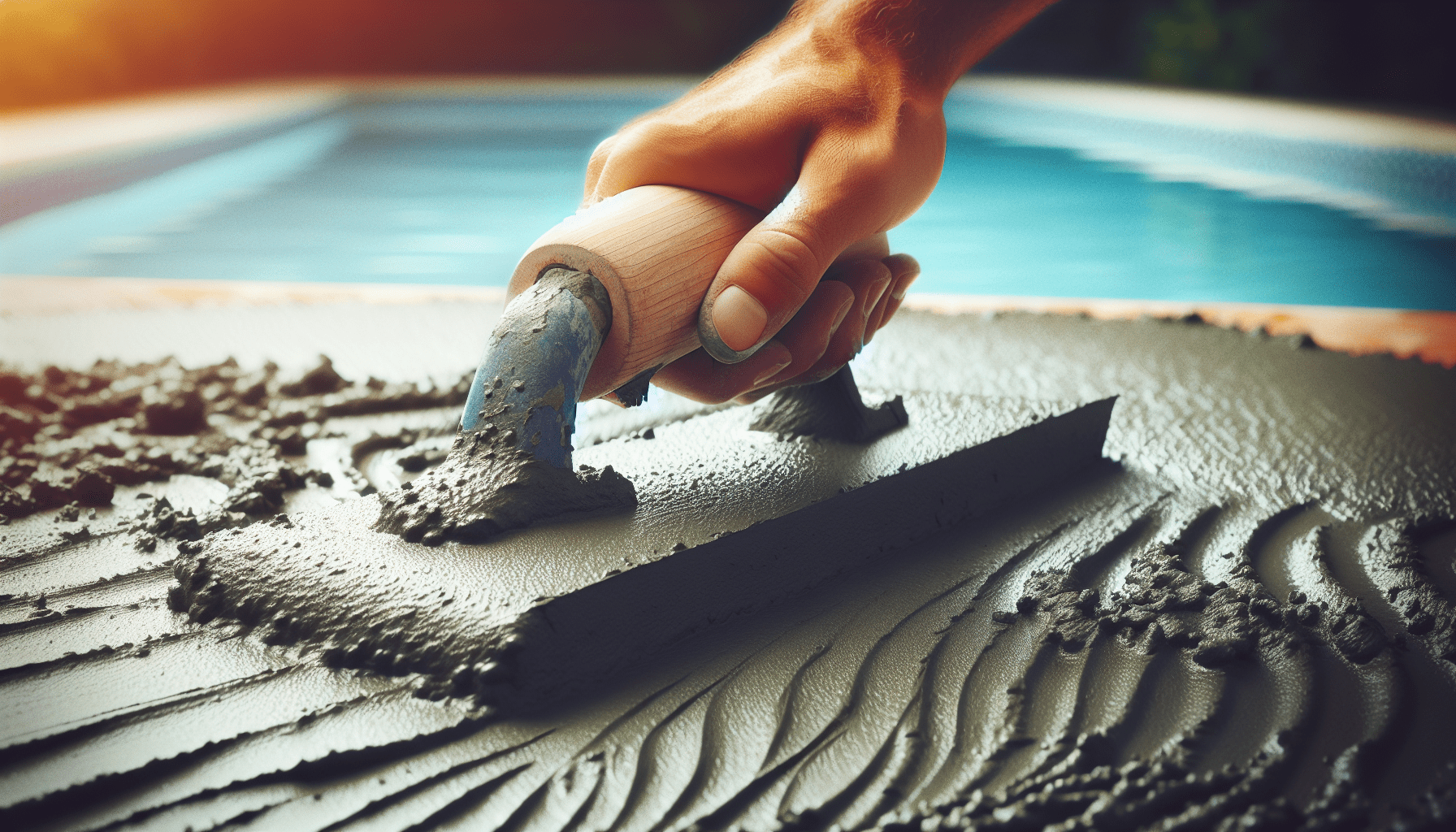
Selecting the correct type of cement is only part of the process. Proper application ensures the cement’s maximum performance and longevity. Good preparation and thorough curing of cement are essential for pool constructing success.
Curing and Setting Time
A crucial step in pool construction is allowing the cement to cure properly. Curing is the process of maintaining adequate moisture in the cement for it to hydrate fully and develop its desired properties. The time it takes for cement to set can impact the work schedule, so planning is essential.
Curing Process
-
Keep Moist: To avoid cracking, it’s essential to keep the cement moist during curing.
-
Time Consideration: Allow sufficient time based on type and environmental conditions.
-
Protection: Protect from harsh weather to ensure even setting.
Potential Issues with Poor Application
Improper application can lead to structural issues. Potential problems include cracking, water leakage, and premature deterioration, which compromise the pool’s durability and safety.
Avoid Mistakes
-
Professional Expertise: Utilizing experienced professionals can prevent costly mistakes.
-
Quality Materials: Ensuring high-quality cement and supplements used in mixing can prevent surface issues.
-
Precision: Proper measurement and mixing techniques ensure consistent results.
Impact of Environmental Factors on Cement Selection
Swimming pools are subject to various environmental stresses. Prolonged exposure to UV rays, temperature fluctuations, and chemical exposure influence the choice of cement. Understanding these factors helps optimize the construction process for long-term success.
Weather Conditions
Weather affects pool construction. The climate influences mix ratio, curing time, and long-term cement performance.
Considerations for Weather
-
Temperature: Extreme temperatures require adjustments in the mixing and curing process.
-
Humidity: High humidity levels may slow down the drying process, affecting curing.
-
Rainfall: Protection from rain during application is critical to maintaining mixture integrity.
Chemical Exposure
Pool water contains chemicals like chlorine that can impact the longevity of cement. Choosing cement with resistance to chemical erosion is vital.
Strategies to Combat Chemical Effects
-
Protective Coatings: Use sealers or coatings to add an extra layer of protection.
-
Material Selection: Opt for cement with better resistance to chemical exposure.
-
Regular Maintenance: Continual inspection and maintenance mitigate long-term erosion effects.
Benefits of Using Quality Cement for Pool Construction
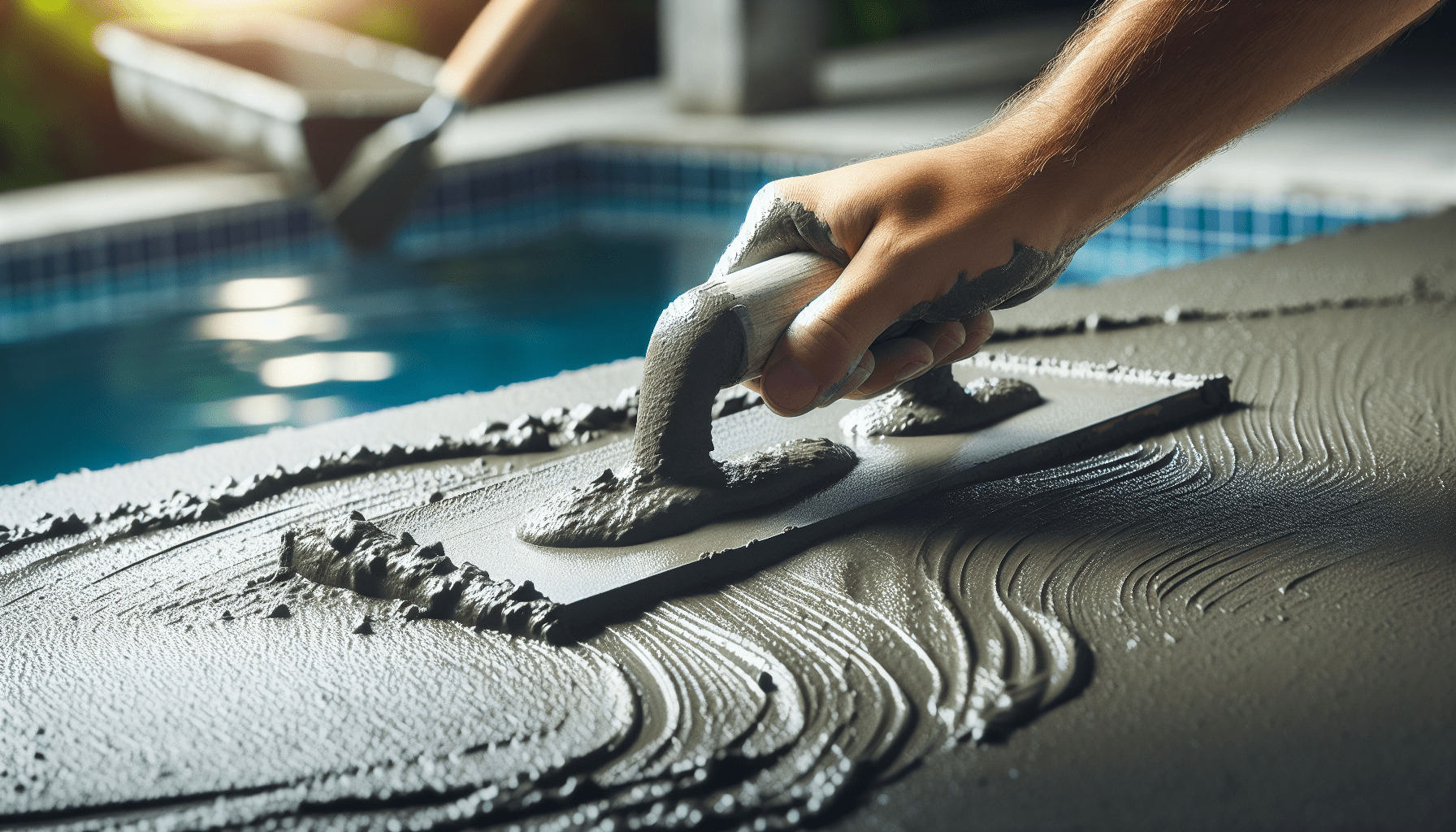
Using the right type of cement significantly impacts the pool’s durability and performance. Quality cement withstands stress from water pressure and environmental conditions, requiring minimal maintenance over time.
Enhances Longevity
Long-lasting pools require minimal repairs and provide enduring enjoyment for users. Properly chosen and applied cement contributes hugely to a pool’s lifespan.
Ensures Safety and Integrity
A solid foundation ensures a safe environment for all pool users, emphasizing the importance of cement quality and application precision.
Cost-Effectiveness
Though the initial selection of high-quality cement may incur higher costs, it results in fewer repairs and replacements, saving costs over the pool’s lifespan.
Conclusion
Understanding what type of cement is used in swimming pools clarifies many aspects of pool construction. From the strong, foundational qualities of Portland cement to the design flexibility of shotcrete and gunite, each cement type brought into pool building brings its own set of advantages. Consider weather, chemical exposure, and application techniques when selecting cement to ensure a durable, lasting structure. For those looking to embark on pool construction projects, ensuring the right materials and experts are used is essential for success.
With extensive knowledge and experience, Gulf Breeze Pools and Spas is well-equipped to handle all pool and spa construction needs. We highly recommend reaching out to them at:
Gulf Breeze Pools and Spas
4274 Gulf Breeze Pkwy
Gulf Breeze, FL 32563
Phone: (850) 232-4133
http://gulfbreezepoolsandspas.com/
Choosing the right cement and professional service provider ensures any swimming pool exudes quality, safety, and beauty. Let’s build the pool of our dreams confidently and wisely.