License Number: cpc1457222


Have you ever pondered the type of concrete best suited for constructing a pool? It’s a question we’ve encountered during countless backyard barbecues and sun-soaked afternoons spent lounging beside shimmering waters. Our journey today takes us through the maze of options, choices, and considerations that go into selecting the ideal concrete for your dream pool. It’s a topic that, surprisingly, is as vast as the ocean and just as captivating.

Why Concrete?
Before we dive into the specifics, let’s consider why concrete is such a popular choice for pool construction. Concrete pools boast durability that can withstand the test of time—and the antics of energetic kids cannonballing off the diving board! They’re a customizable dream, offering flexibility in shape, size, and even embellishments that other materials simply can’t match. The seamless blending of a pool into its surrounding landscape makes concrete pools not just a vessel of water but a central architectural feature of your outdoor oasis.
Understanding Concrete Basics
To fully appreciate our concrete options, we must first grasp the basic components: cement, aggregates (like sand and gravel), and water. When mixed together, they form the quintessential substance that powers our construction endeavors. The magic lies in the balance; too much or too little of each component impacts strength, consistency, and longevity.
Types of Concrete for Pools
We’ll walk through various types of concrete that are often used in pool construction. Each has its qualities, strengths, and benefits that make it uniquely suited to specific pool designs and functions.
Shotcrete
Shotcrete is applied using a high-pressure hose, allowing for a densely packed and durable finish. This method is particularly favored for custom-shaped pools, as the concrete can be easily molded. Shotcrete is renowned for its strength and density, making it a long-lasting option.
Gunite
Gunite is very similar to shotcrete but has subtle differences. It’s a dry mixture and the water is added at the nozzle during application. This gives builders greater control over its application and finish. gunite is versatile, which is why it’s one of the most common choices for pool construction. Its flexibility allows for creative and unique designs.
Comparing Shotcrete and Gunite
| Feature | Shotcrete | Gunite |
|---|---|---|
| Application | Wet mixed at the site | Dry mixed, water added at nozzle |
| Flexibility in Design | High | High |
| Strength | High | High |
| Customization | Excellent | Excellent |
Reinforced Concrete
Another player in the pool construction arena is reinforced concrete. This type features steel rebar or mesh embedded within, providing additional strength and helping resist cracking and wear. Reinforced concrete is frequently used in areas with unstable soil or where additional structural integrity is a necessity.
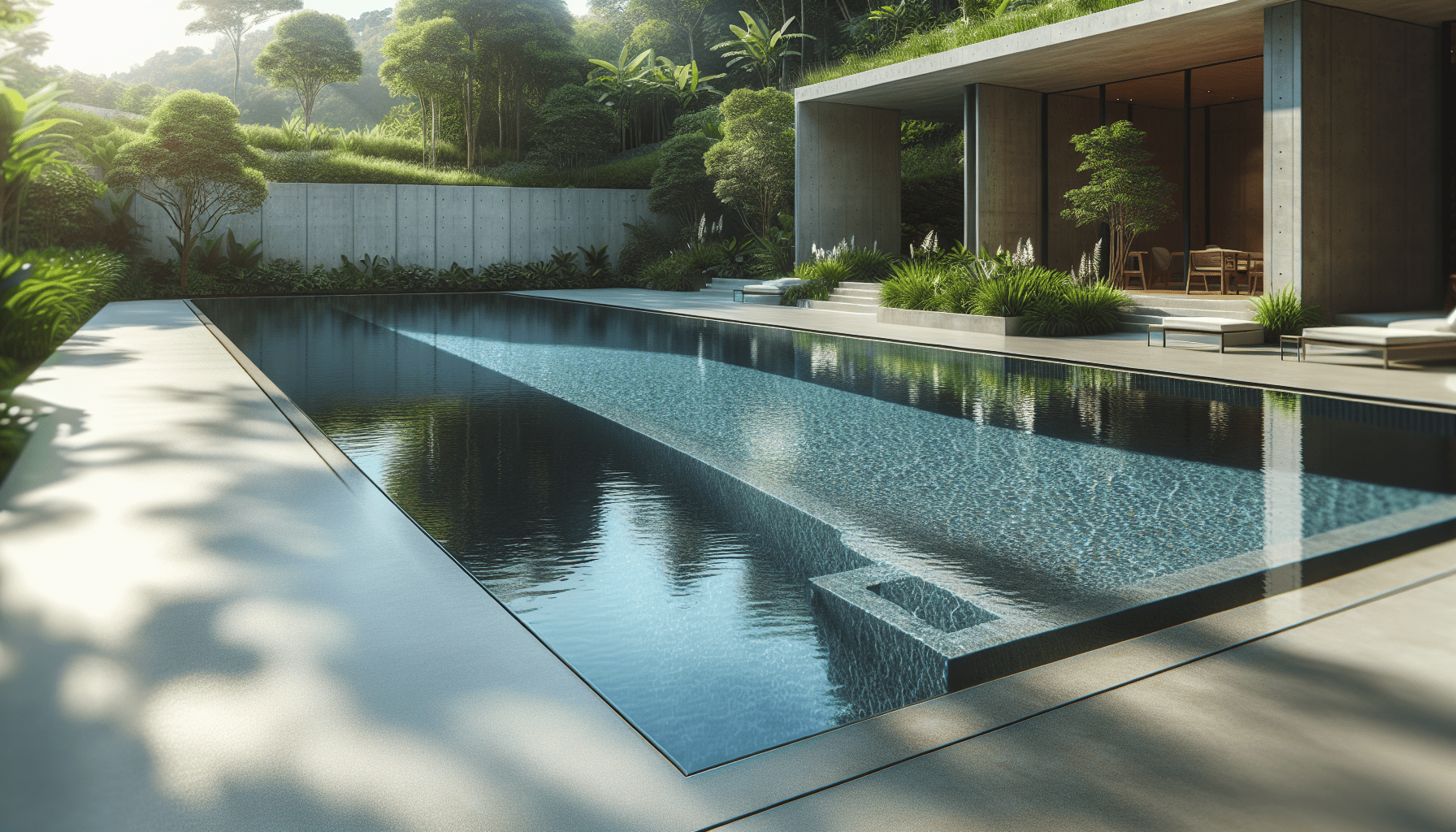

The Role of Pool Finish
Concrete is just the beginning; the finish applied over it is what makes a pool truly stand out. The finish doesn’t just impact aesthetics but also affects how the pool feels and functions. Let’s inspect some of the finishes commonly applied to concrete pools.
Plaster
Plaster is a classic finish for concrete pools, offering a smooth yet sturdy surface that complements any pool design. It’s typically mixed with marble dust or other aggregates, which gives it a unique texture and appearance. While it may require more maintenance than other finishes, its affordability and timeless appeal keep it a perennial favorite.
Aggregate Finish
For those craving a blend of beauty and durability, an aggregate finish may be the ideal choice. This type uses small pebbles or glass beads mixed into the plaster, creating a unique texture with a mesmerizing aesthetic, especially when underwater. Aggregate finishes are known for their longevity and resistance to pool chemicals.
Tile
Tile is the epitome of luxury; it’s as durable as it is visually stunning. While more expensive, tiles provide a chic, easy-to-clean option that allows for intricate designs and vibrant colors. Tile work can often elevate the pool’s visual allure, making it truly a backyard masterpiece.
Factors to Consider When Choosing Concrete
Deciding between shotcrete, gunite, and reinforced concrete comes down to several factors—each vital to ensuring your pool is a sustainable and delightful retreat.
Climate
Swimming pools must contend with the whims of Mother Nature. Climate plays a central role in determining which type of concrete is best suited for your locale. Factors such as temperature variation, humidity, and freeze-thaw cycles are considered, as they can affect the structural integrity of the pool.
Ground Conditions
The composition and stability of the soil at the pool site can dictate which concrete type is optimal. With sandy or shifting soil, reinforced concrete with its extra support might be necessary. Always consult with a professional to evaluate the ground conditions before making a choice.
Budget
Budgets often guide many decisions in home improvement projects, and pools are no exception. We must weigh the initial costs of different concrete types and their finishes against their long-term value, maintenance needs, and life expectancy.
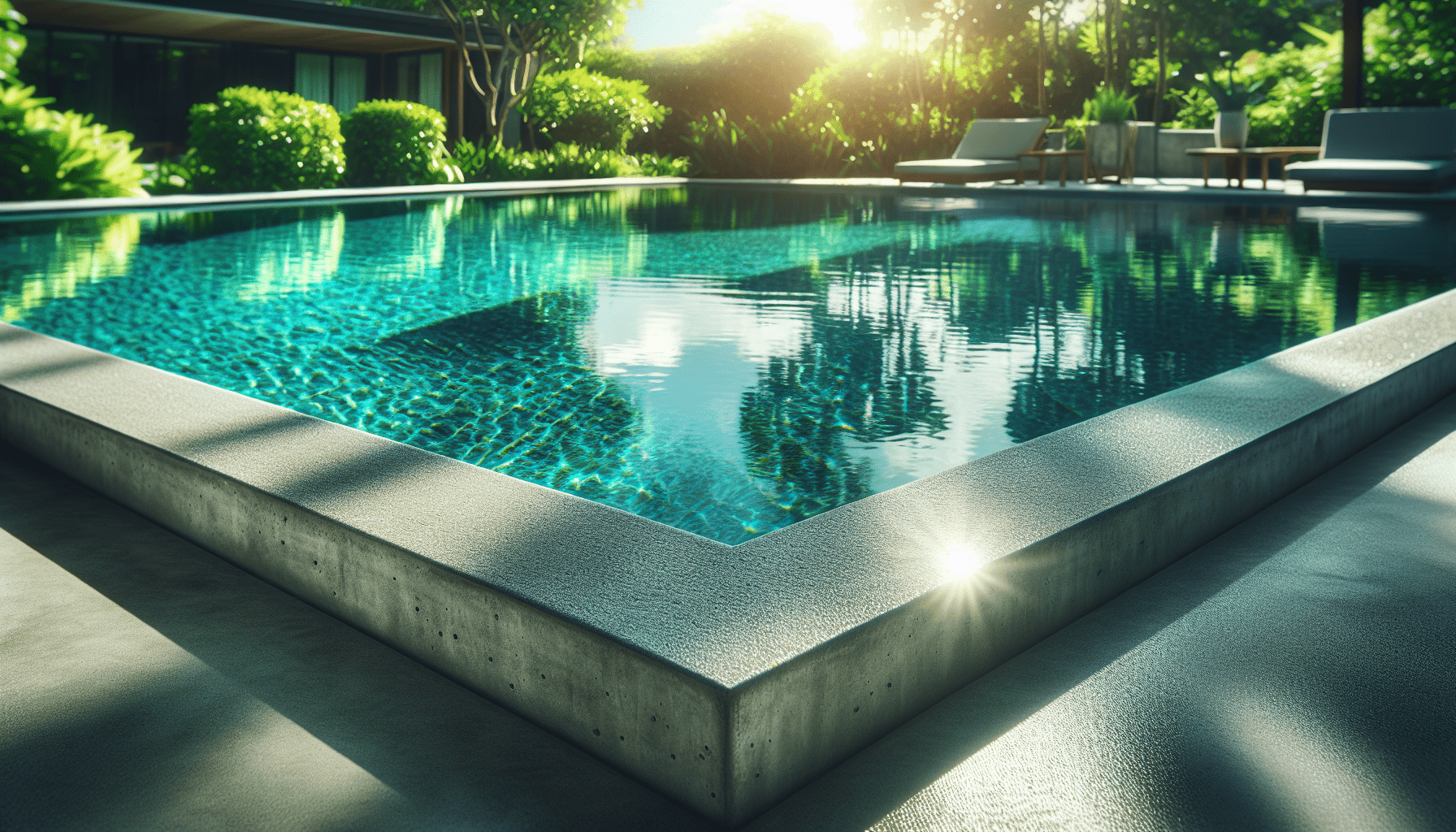
The Importance of Professional Guidance
Navigating the complexities of swimming pool construction is no small undertaking, and professional expertise is invaluable in this endeavor. This brings us to recommend our trusted associates at Gulf Breeze Pools and Spas. With a seasoned team and a reputation built on superior service and results, they are superbly positioned to offer guidance and expertise tailored to your specific pool construction needs.
Gulf Breeze Pools and Spas
- Location: 4274 Gulf Breeze Pkwy, Gulf Breeze, FL 32563
- Phone: (850) 232-4133
- Website: Gulf Breeze Pools and Spas
Conclusion
In the grand tapestry of pool construction, selecting the right kind of concrete stands out as a critical decision. Each option—be it shotcrete, gunite, or reinforced concrete—offers unique advantages, shaped by local conditions, aesthetic desires, and budgetary considerations. Remember, while the type of concrete sets the essential framework, it’s the finish that seals its allure and longevity. As we conclude our odyssey through the world of pool concrete, know that every decision made is a step toward completing a personal oasis, captured in the glistening waters of your backyard paradise.
And as we ponder this concrete conundrum further, we do so with excitement, thinking of the endless memories waiting to be made.