License Number: cpc1457222


Have you ever dreamed of having a backyard oasis where you can unwind after a long day or host the perfect weekend gatherings with friends and family, only to be deterred by the thought of endless pool maintenance? We understand that the appeal of a sparkling blue pool can quickly fade when faced with the realities of upkeep. So, what is the easiest type of pool to maintain?
In our quest to uncover the answer, we’ll explore various pool types and focus on their maintenance demands. After all, choosing the right pool involves understanding not just the cost and aesthetics but also how much effort we’ll need to put in to keep it pristine. Plus, there’s a nugget of wisdom hidden in the details that might just lead us to our perfect pool choice.

The Basics: Understanding Pool Types
To determine the easiest pool to maintain, we first need to grasp the different types available. Let’s walk through the most common:
Vinyl-Lined Pools
Vinyl-lined pools provide an affordable and customizable option for pool enthusiasts. They are popular for their smooth texture, which prevents algae buildup compared to other types. However, we must keep an eye on the liner, as it can get damaged by sharp objects and needs replacing every 7-15 years.
Fiberglass Pools
Fiberglass pools are notorious for their low-maintenance appeal. They come pre-manufactured, which limits our customization options, but they win us over with durability and limited chemical use. Their non-porous surface prevents algae and bacteria from finding a home, making cleaning a breeze.
Concrete Pools
Concrete pools, also known as gunite or shotcrete pools, are the epitome of customization. While they offer unparalleled design flexibility, they demand regular maintenance to prevent algae growth and surface degradation. This includes frequent brushing and chemical balancing.
Above Ground Pools
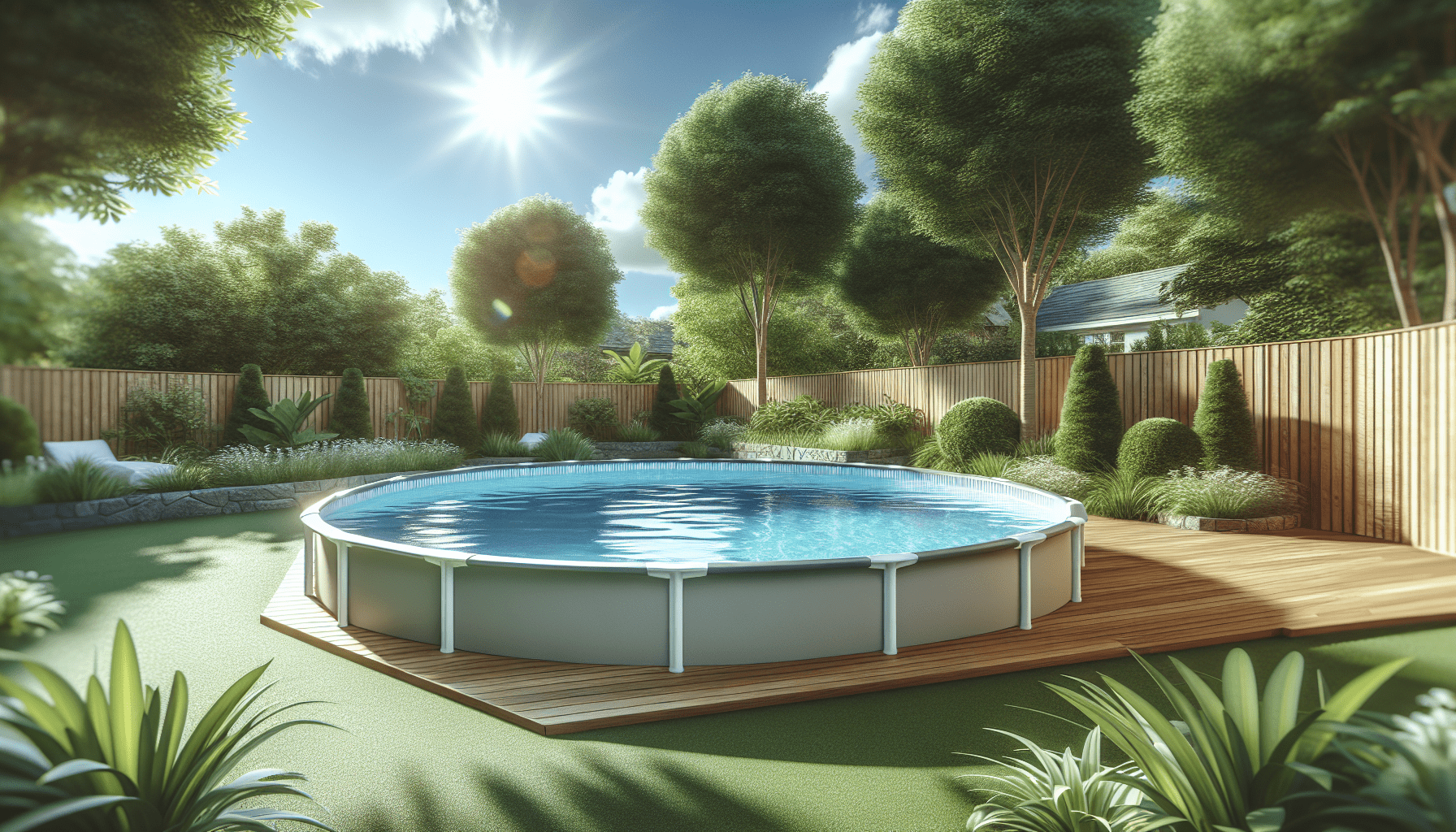
Above ground pools entice with their affordability and ease of installation. Generally made from steel, resin, or aluminum, these pools require simpler maintenance but often lack durability and aesthetic appeal.
Saltwater Pools
Saltwater pools can belong to any of the above categories but stand out for their different approach to sanitization. Instead of chlorine tablets, these pools use a salt-chlorine generator, offering a gentler, more pleasant swimming experience.
Evaluating Maintenance Demands
Now that we’ve laid out the different pool types, let’s evaluate their maintenance demands. Each pool type comes with its own set of maintenance requirements that can vary in frequency and complexity.
Chemical Maintenance
All pools require chemical balance to ensure safe and enjoyable swimming. Here’s a quick comparison:
| Pool Type | Chemical Needs |
|---|---|
| Vinyl-Lined | Moderate; care needed to avoid liner damage |
| Fiberglass | Low; resistant to algae and bacteria |
| Concrete | High; porous surface requires more chemicals |
| Above Ground | Moderate; similar to vinyl-liner needs |
| Saltwater | Low; natural salt conversion is gentler |
From the table, it’s clear fiberglass and saltwater pools require less chemical intervention. That sounds promising!
Physical Cleaning
Physical maintenance involves skimming, brushing, and vacuuming the pool:
- Fiberglass pools: Minimal brushing needed due to the smooth interior.
- Vinyl-lined pools: Regular vacuuming, but gentle on the liner.
- Concrete pools: Frequent brushing essential to combat algae.
- Above ground pools: Easy to clean, but materials can be less durable.
With minimal physical cleaning, fiberglass pools stand out once more.

Saltwater Systems: A Blessing in Disguise?
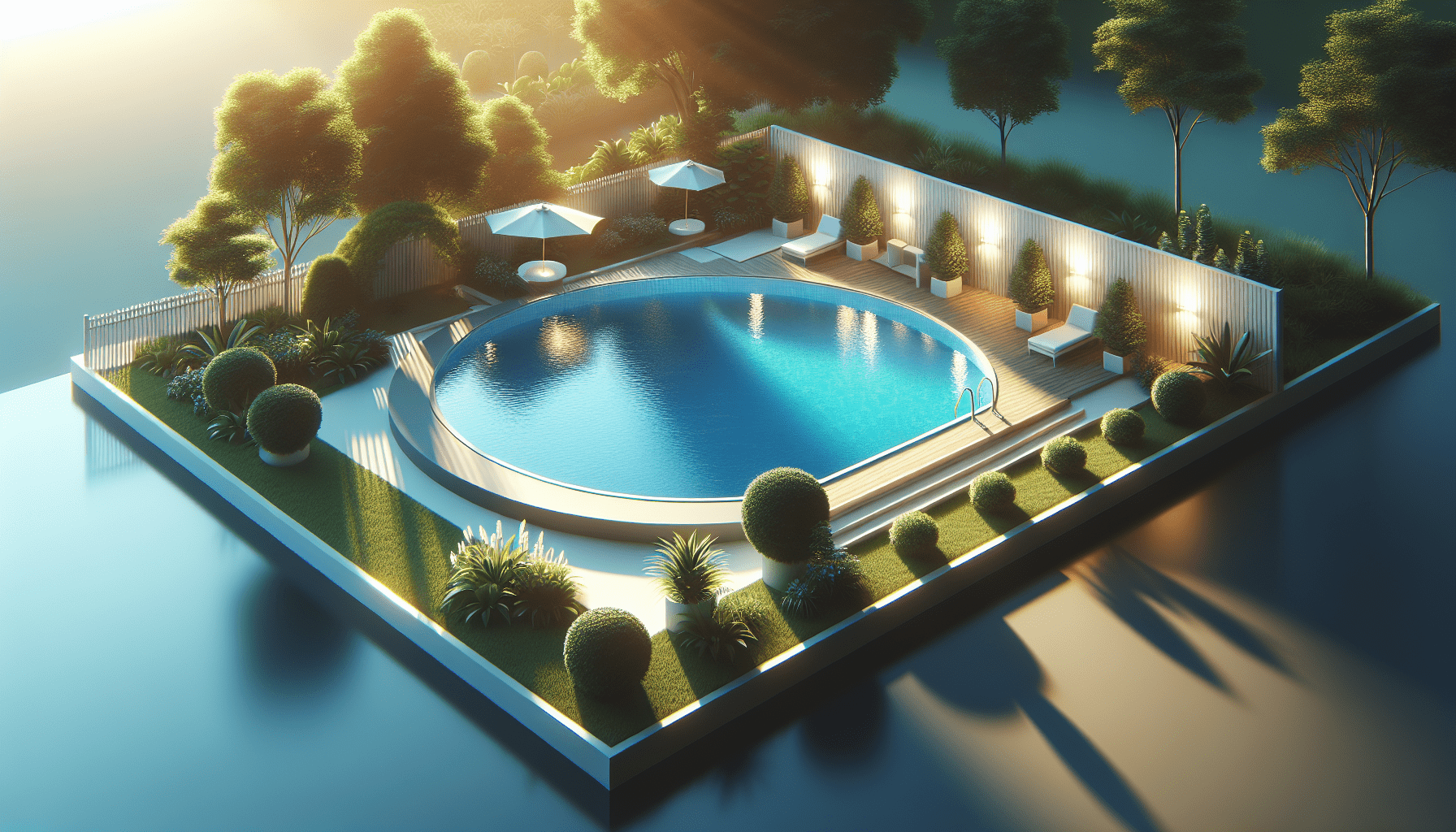
Saltwater pools employ a salt-chlorine generator that reduces the need for supplemental chemicals. Although initially more expensive, this system pays off with less maintenance over time. We might wonder how this magic happens; essentially, the generator converts salt into chlorine, which sanitizes the water. It’s less harsh on our skin, eyes, and swimsuits, making it popular among families.
Longevity and Repairs
As we consider the long-term, repairs and lifespan will influence our decision.
- Vinyl-lined pools: Liner needs replacement every 7-15 years, a manageable task but inevitable.
- Fiberglass pools: With proper care, they can last decades with minimal repair.
- Concrete pools: Durable, but cracks can develop over time, requiring repairs.
- Above ground pools: Moderate longevity, often short-term solution.
Yet again, fiberglass takes the crown for longevity with minimal repair needs.
Cost Implications of Maintenance
It’s not just the routine that matters; the cost of maintaining a pool over its lifetime also plays a critical role. Although saltwater and fiberglass systems might come with a higher initial investment, they often lead to long-term savings.
- Chemical Costs: Lower for fiberglass and saltwater pools.
- Physical Maintenance Costs: Lower for fiberglass pools due to fewer cleaning needs.
- Repair Costs: Lower for fiberglass pools, with significant repairs rarely needed.
Summarizing the Easiest Pool to Maintain
Considering all these factors, it’s evident that fiberglass pools consistently offer the lowest maintenance requirements. From their smooth surface, which minimizes cleaning, to their durability that remains steadfast for years, these pools seem to strike a perfect balance between ease of care and longevity.
One Last Detail: Professional Services
To ease the pool maintenance journey, we might lean on professional services. Gulf Breeze Pools and Spas is a reputable source for all our pool construction and maintenance needs. They can ensure our pool stays in tip-top condition, freeing us to enjoy our backyard haven without the hassle.
Final Thoughts
When it comes down to it, the easiest type of pool to maintain appears to be the fiberglass pool, particularly in a saltwater system. While each pool type has its unique characteristics and charm, fiberglass pools shine due to their low chemical requirements, minimal physical upkeep, and impressive durability. Let’s embrace the ultimate backyard dream—a pool that is both enjoyable and easy to care for.
Whether we decide to splash into the world of pools now or dive in later, understanding these nuances ensures we make an informed choice. We can always count on Gulf Breeze Pools and Spas for guidance and support throughout our pool-owning journey, helping transform our backyard into a low-maintenance paradise.