License Number: cpc1457222


Have you ever wondered what goes into the creation of that perfect swimming pool you plan to escape to during the heat of summer? Building a swimming pool is no small feat, and understanding the concrete mix involved is key to creating a durable and beautiful aquatic sanctuary. Let’s take this journey together to explore the intricacies of the concrete mix for a swimming pool. Along the way, we might stumble upon some amusing anecdotes and insights, much like a conversation with an old friend who’s seen a few things.

Understanding the Basics
Before diving into the specifics of the concrete mix—without physically diving, of course—let’s talk about why concrete is such a crucial component in the construction of swimming pools. Concrete is renowned for its strength and durability, making it ideal for creating structures that need to withstand both time and water.
Why Choose Concrete?
When we think about swimming pools, concrete stands out for a number of reasons. Its versatility allows for the pool to be custom-shaped to fit any whimsical design a homeowner might dream up. Not only is concrete adaptable, but it also complements any setting, whether it’s a luxurious backyard oasis or a simple family pool.
Concrete vs. Other Materials
It’s easy to get lost in the world of pool materials—fiberglass, vinyl, and concrete all have their place. Each material offers different benefits, yet concrete appeals to those who value customization and longevity. Unlike the cookie-cutter nature of some other materials, concrete permits full creative control. Think of it as the blank canvas on which you paint your watery masterpiece.
Components of the Perfect Concrete Mix
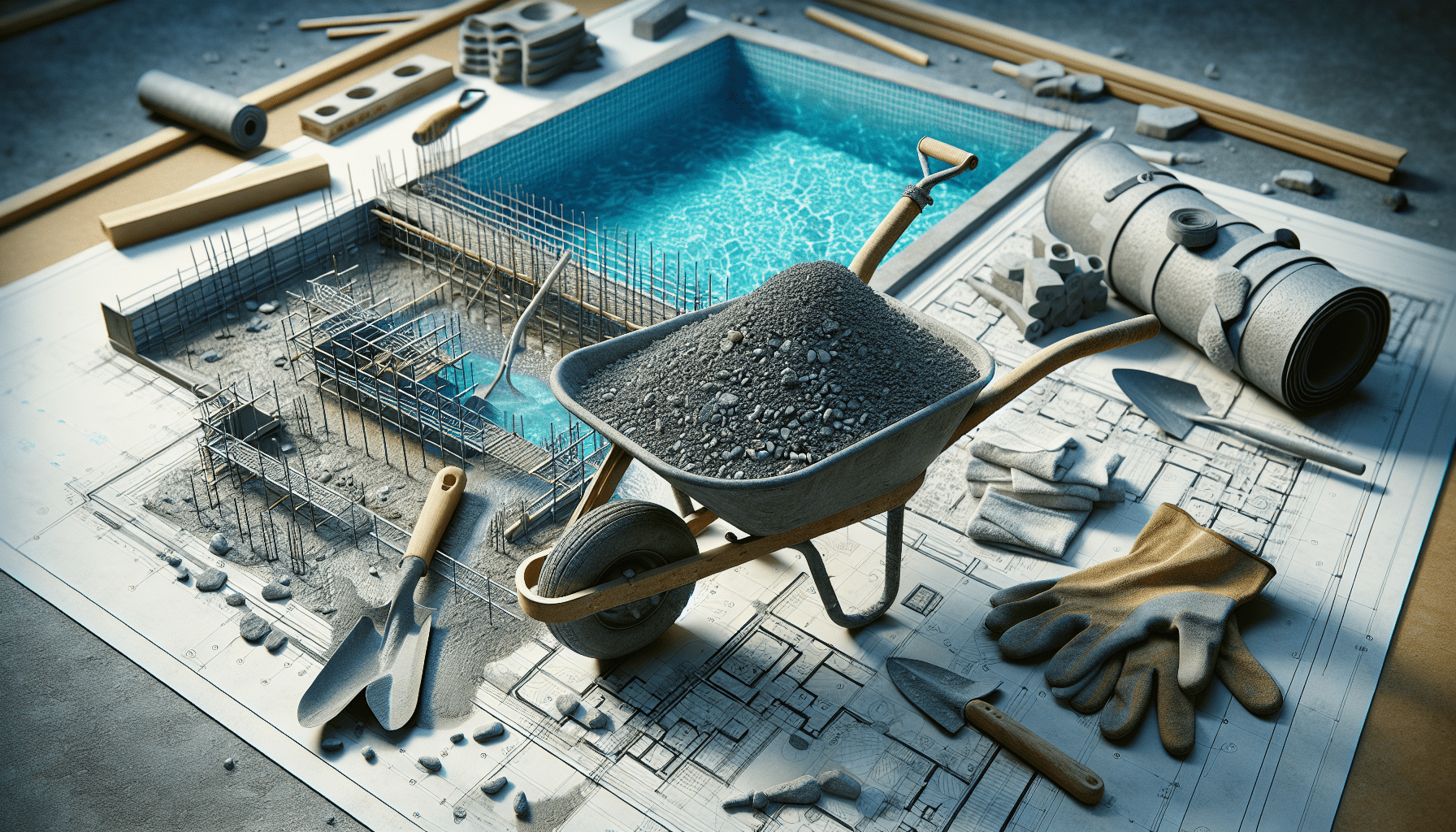
So, what exactly goes into this concrete concoction? It’s a bit like making a cake, but instead of flour and sugar, we’re talking about gravel, cement, water, and sand.
Cement: The Glue Holding It All Together
Cement is the primary binding agent in concrete, the magic ingredient that, when mixed with water, undergoes a chemical reaction, hardening over time. This process, known as hydration, ensures that your pool remains sound for decades.
Aggregates: The Foundation’s Foundation
We can’t talk about concrete without mentioning aggregates—those small stones or gravel pieces that give concrete its bulk and strength. The choice of aggregate size and type can affect the stability and finish of the pool shell, playing an essential role in the final product.
| Aggregate Size | Effect on Concrete |
|---|---|
| Smaller aggregates | Smoother finish, suitable for intricate details |
| Larger aggregates | Increased strength, used for structural integrity |
Sand: Filling In the Gaps
Sand acts as the filler, creating a smooth blend between the cement and aggregates. It helps to bind all the ingredients together, ensuring the mix is dense and firm. The choice of sand impacts the texture and strength of the finished pool.
Water: The Catalyst
Water might seem straightforward, but its role cannot be understated. The water-to-cement ratio is critical, affecting the mix’s workability and final strength. Too much water can weaken the pool structure, while too little can lead to a dry, crumbly mix.

The Mixing Process
Now that we understand the components, let’s discuss how these elements come together to create the perfect poolside paradise.
Proportions Matter
Getting the proportions right is like trying to find the perfect balance between leisure and productivity—it’s not always easy, but absolutely necessary. A standard mix ratio might look like this:
- Cement: 1 part
- Sand: 2 parts
- Aggregate: 3 parts
This formula is only a starting point. Adjustments might be necessary based on the specific conditions of the pool site, the desired finish, and the climate.
Mixing Techniques
The mixing technique depends on the scale of the project. For small-scale pools or repairs, a simple concrete mixer may do the trick. For larger pools, professional-grade equipment ensures consistency and thorough mixing. The goal is a homogenous mixture with a uniform color and texture.
Application of the Concrete
Applying concrete to create the pool structure is a pivotal part of the construction process. It requires both expertise and precision.
Shotcrete vs. Gunite
Two primary methods exist for applying concrete in pools: shotcrete and gunite. Both methods involve spraying concrete onto a reinforced framework, but they differ slightly in preparation and application.
| Method | Distinction |
|---|---|
| Shotcrete | Pre-mixed with water, applied using a wet-mix process |
| Gunite | Dry mix, water added at the nozzle during application |
Both methods result in a strong and durable pool shell, though shotcrete might offer more control over the final consistency.
Importance of Reinforcement
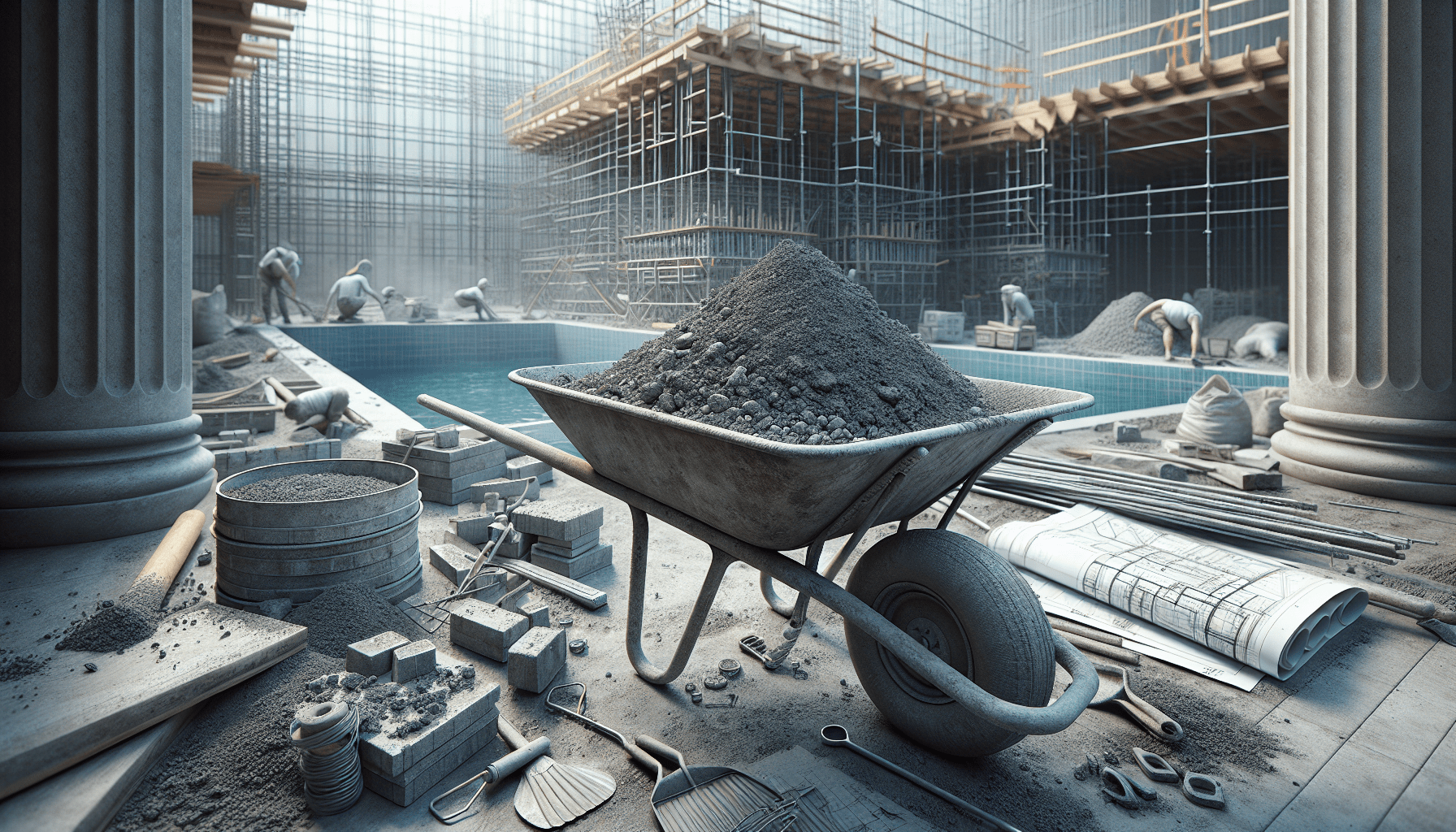
Concrete alone, while strong, isn’t infallible. That’s where steel reinforcement comes into play, providing additional support and helping to prevent cracks. Think of it as wearing a sturdy pair of shoes—it’s the reinforcements keeping everything grounded.
Weather Considerations
Mother Nature is notorious for complicating concrete operations, unruly and unpredictable as she can be. Weather conditions must be considered carefully during construction.
Temperature Effects
Extreme temperatures—whether too hot or cold—can affect the curing process of concrete. On scorching days, concrete can cure too quickly, leading to cracks. Conversely, low temperatures slow down the chemical reactions essential for setting.
Humidity and Rain
Humidity levels affect evaporation rates. High humidity slows evaporation, allowing concrete to cure properly. However, rain is a no-go post-application; excess water on uncured concrete can lead to weakened structures.
Expert Recommendations
While reading about concrete is akin to learning about the wonders of the fast-setting universe, having a trusted expert at your side is indispensable.
The Value of Experience
Professionals like Gulf Breeze Pools and Spas bring invaluable expertise. They understand the nuances of concrete mixes and local climate conditions, ensuring every pool is constructed with precision and care.
Tailoring to Specific Needs
Different projects may require unique considerations. Professionals can recommend variations in concrete mix to suit specific requirements, ensuring the pool is perfectly suited to its environment and purpose.
Aftercare and Maintenance
The life of a pool doesn’t start and end with its construction. Maintaining the integrity of the concrete is vital for longevity.
Regular Inspections
Routine checks can identify minor issues before they become major headaches. Inspect for cracks, chipped areas, or any unusual changes in structure—much like checking on a finicky car.
Surface Treatments
Applying sealants can protect the concrete from harsh chemicals and water exposure. These treatments act as a shield, much like sunscreen on a sunny day, prolonging the life of the concrete.
Common Issues and Solutions
Even the best-laid plans can encounter hiccups along the way. Understanding potential problems can better prepare us to face them head-on.
Cracking
Natural settling and external pressure can cause cracking over time. However, with proper reinforcement and professional assessment, these issues can often be repaired efficiently.
Discoloration
This can occur due to chemical imbalances or exposure to elements. Regular chemical testing and treatment can help maintain the pristine appearance of your pool.
The Role of Technology
In our increasingly automated world, technology offers exciting opportunities in concrete application and maintenance.
Improved Mixing Techniques
Advanced computerized systems ensure precise measurements and thorough mixing, reducing human error and increasing efficiency.
Monitoring Systems
Smart technology allows for constant monitoring of pool conditions. With these systems, owners can receive real-time updates on water quality, structural integrity, and even potential leak detection.
Conclusion: Building Our Aquatic Dream
Creating a swimming pool is a fascinating blend of art and science, where each detail counts. From choosing the right concrete mix to applying it with precision and care, every step is crucial to crafting a pool that is both beautiful and enduring.
Working together with experienced professionals, such as Gulf Breeze Pools and Spas, ensures that our concrete foundation remains solid—much like a carefully nurtured friendship. It’s about building, maintaining, and ultimately enjoying the watery haven that awaits us all. So, as we ponder the ideal mix for our dream pools, we can now appreciate the thoughtful blend of creativity, science, and craftsmanship that goes into each design.