License Number: cpc1457222


Have we ever spent a lazy afternoon lounging by our concrete pool, only to notice those unsightly cracks creeping along the edges or across the floor? It’s a scenario many pool owners face, and it leaves us pondering over the best way to tackle these imperfections. With a blend of curiosity and concern, we ponder how we can restore our pool to its former glory. Let’s embark on an exploration of this topic.

Understanding the Nature of Concrete Pool Cracks
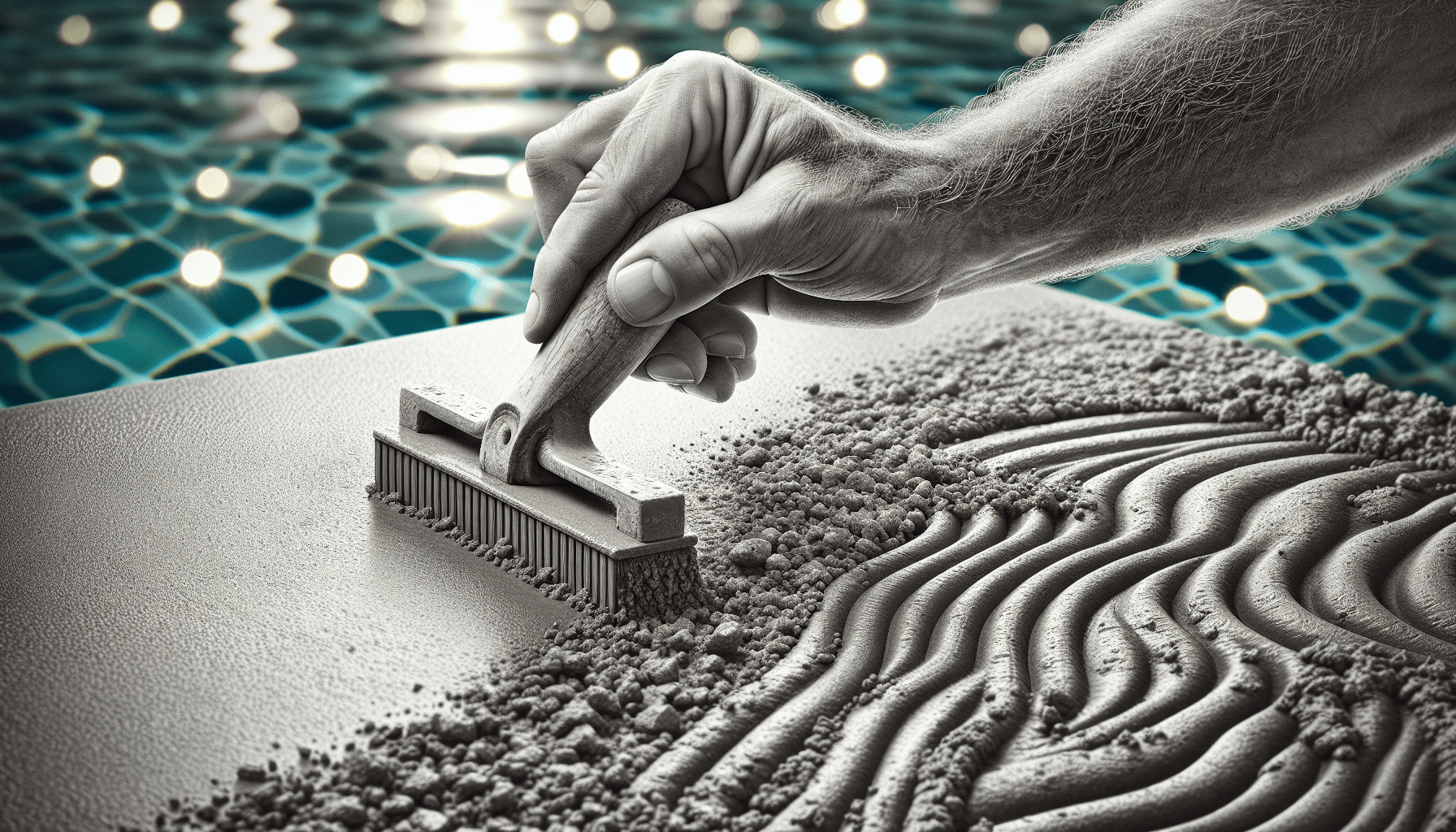
Engaging with the reasons behind those unsightly cracks comes first. Concrete, though incredibly durable, isn’t immune to the occasional fracture. From minor hairline cracks to more significant breaks, each crack tells a tale of stress, shifting, or settling. These cracks may be caused by various factors, such as ground movement, temperature changes, or even our festive cannonball jumps creating stress on the concrete.
Types of Cracks We Might Encounter
Before getting our hands dirty, we should identify the types of cracks we’re dealing with. Hairline cracks, as the name suggests, are small but can grow over time if ignored. In contrast, structural cracks signify deeper issues often related to the pool’s foundation or settling earth beneath. Distinguishing between these types is crucial as it directs us toward the most effective repair approach.
Why Might Our Pool Crack?
Once we’ve identified the types, understanding the ‘why’ gives us a better footing. Environmental elements like temperature fluctuations, earthquakes, or routine wear and tear play a significant role. Imagine the weather’s whimsical behaviors with expansion and contraction working tirelessly, impacting the concrete. It makes us appreciate the sturdiness required to handle such forces.
Evaluating the Severity of Cracks
Before rushing to the repair aisle at the local hardware store, determining the severity of the cracks helps us choose the appropriate materials and methods. Doing so prevents us from overcompensating for a minor issue or underestimating a significant structural problem.
The Penny Test: DIY Evaluation
An easy method to gauge crack size is the penny test. Simply place a penny next to the crack. If Lincoln’s head can fit into the gap, the crack is more significant and potentially a structural concern. This lighthearted yet effective test empowers us with the knowledge to make informed decisions about our pool’s health.

Tools and Materials We’ll Need for the Job
Let’s create a toolkit for our crack-fixing mission. The right tools can make or break, quite literally, our repair efforts.
| Tools | Materials |
|---|---|
| Chisel and Hammer | Epoxy Sealant |
| Wire Brush | Hydraulic Cement |
| Safety Glasses | Pool Plaster Patch Kit |
| Putty Knife | Bonding Agent |
| Trowel | Waterproof Caulk |
Equipped with our toolkit, we’re more than ready to face those pesky cracks head-on.
How to Fix Minor Hairline Cracks
For the less daunting hairline fractures in our concrete oasis, a straightforward approach suffices. Addressing these promptly prevents escalation into more severe issues, protecting our investment and preserving our aquatic ambiance.
Step-by-Step Repair Process
-
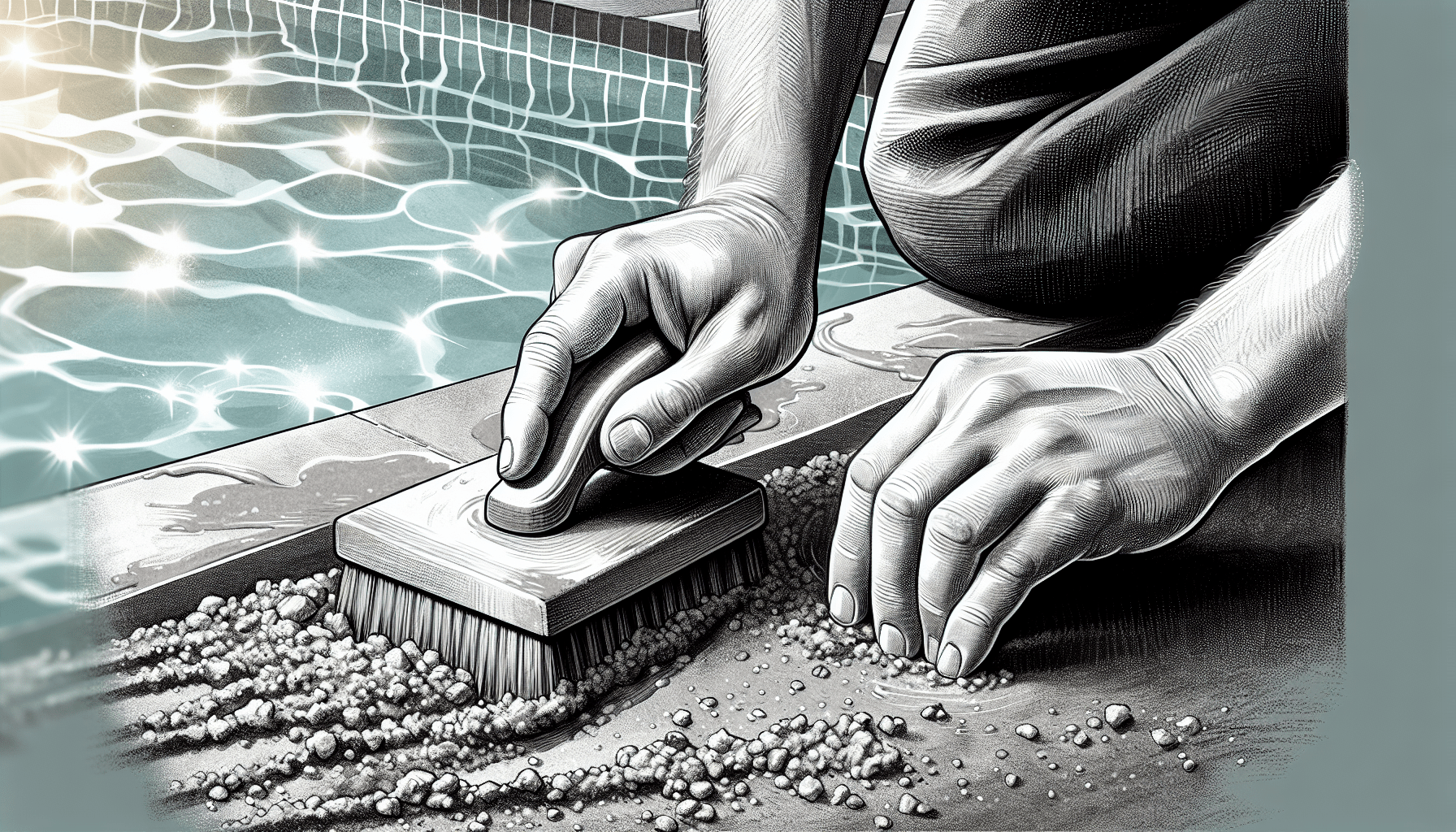
Preparation: Begin by cleaning the cracked area with a wire brush to remove any loose debris or particles. It’s akin to ensuring a smooth canvas before painting.
-
Mixing Epoxy Sealant: Depending on the brand, follow the mixing instructions for the epoxy sealant. It’s much like whipping up our favorite recipe, just minus the taste test.
-
Application: Using a putty knife, apply the mixed epoxy directly into the crack, pressing it down thoroughly. This filler acts like a band-aid for our concrete, holding everything together.
-
Smooth and Let it Cure: Smooth out the surface to ensure it’s level with the pool’s foundation and allow it to cure according to the product’s instructions. This phase requires patience, but the result is well worth it.
Tackling Structural Cracks
Dealing with structural cracks is a more formidable challenge, demanding both tenacity and higher-grade solutions. These cracks threaten the integrity of our pool, so addressing them comprehensively is critical.
Detailed Repair Steps for Structural Cracks
-
Empty the Pool: Ensuring safety and thoroughness starts with draining the pool. It’s like clearing space before we dive into a big project.
-
Prepare the Crack: Utilize a chisel and hammer to widen and deepen the crack slightly. This maneuver, though painstaking, ensures the new material adheres more effectively.
-
Clean the Area Thoroughly: Rid the crack of dust and debris with a wire brush. A clean work area is non-negotiable, setting the stage for the best finish.
-
Apply a Bonding Agent: Brush a bonding agent into the crack, serving as the glue for the hydraulic cement patch. It functions as a strong handshake, assuring cohesion between surfaces.
-
Mix and Pack Hydraulic Cement: Mix hydraulic cement according to package instructions and pack it firmly into the crack, which is like molding clay before it hardens.
-
Finish with Pool Plaster Patch Kit: To restore the smoothness and visual appeal of the surface, our final touch involves a plaster patch kit, smoothing it over the repaired area. This step is equivalent to icing a cake—beautiful and functionally necessary.
Preventing Future Cracks in Our Concrete Pool
While repairing existing cracks is essential, preventing new ones from appearing is equally important for our peace of mind.
Maintenance Tips for Longevity
A few preventative actions can go a long way in maintaining the pristine condition of our pool.
-
Regular Inspections: Just as we schedule routine check-ups, pools benefit from a periodic once-over to catch small issues before they escalate.
-
Maintain Consistent Water Levels: Keeping water levels steady helps minimize the stress on the concrete from expansion and contraction, reducing crack risks.
-
Seasonal Preparations: As seasons change, ensure the proper use of pool covers and adjust maintenance routines accordingly to protect against temperature-induced stress.
Professional Assistance: When to Call in the Experts
Sometimes, the task at hand might exceed our comfort zone. When facing persistent or severe cracks, reaching out to experts ensures the repairs are sound and safe.
At such times, Gulf Breeze Pools and Spas stand ready to assist with any pool construction needs. Located at 4274 Gulf Breeze Pkwy, Gulf Breeze, FL, they offer professional expertise precisely when it’s needed most. Contact them at (850) 232-4133 or visit their website for more information.
Conclusion
Through understanding, evaluation, and action, we navigate the journey of repairing cracks in a concrete pool together. Whether we choose DIY solutions for minor issues or professional help for significant ones, ensuring our pool’s longevity enriches our swimming experience. May we enjoy many more sunlit days by the pool, knowing we’ve taken the right steps to preserve it.