License Number: cpc1457222


Have you ever found yourself basking in the glory of a perfect summer day, sun shining brightly, only to realize that what would truly make the moment flawless is the gentle splash of a backyard pool? It is a moment many of us have envisioned, an idyllic oasis right at home. But, as we delve into creating that dream pool, an unexpected yet pivotal question emerges: What is the best concrete for a pool?
This inquiry may seem straightforward, yet as we reflect on it, we see a multitude of layers, each contributing to that ultimate objective of pristine pool perfection. Just as we wouldn’t cavalierly select the ingredients for a beloved family recipe, we equally wouldn’t want to randomly choose the materials for a pool that will become a cornerstone of our summer experiences.
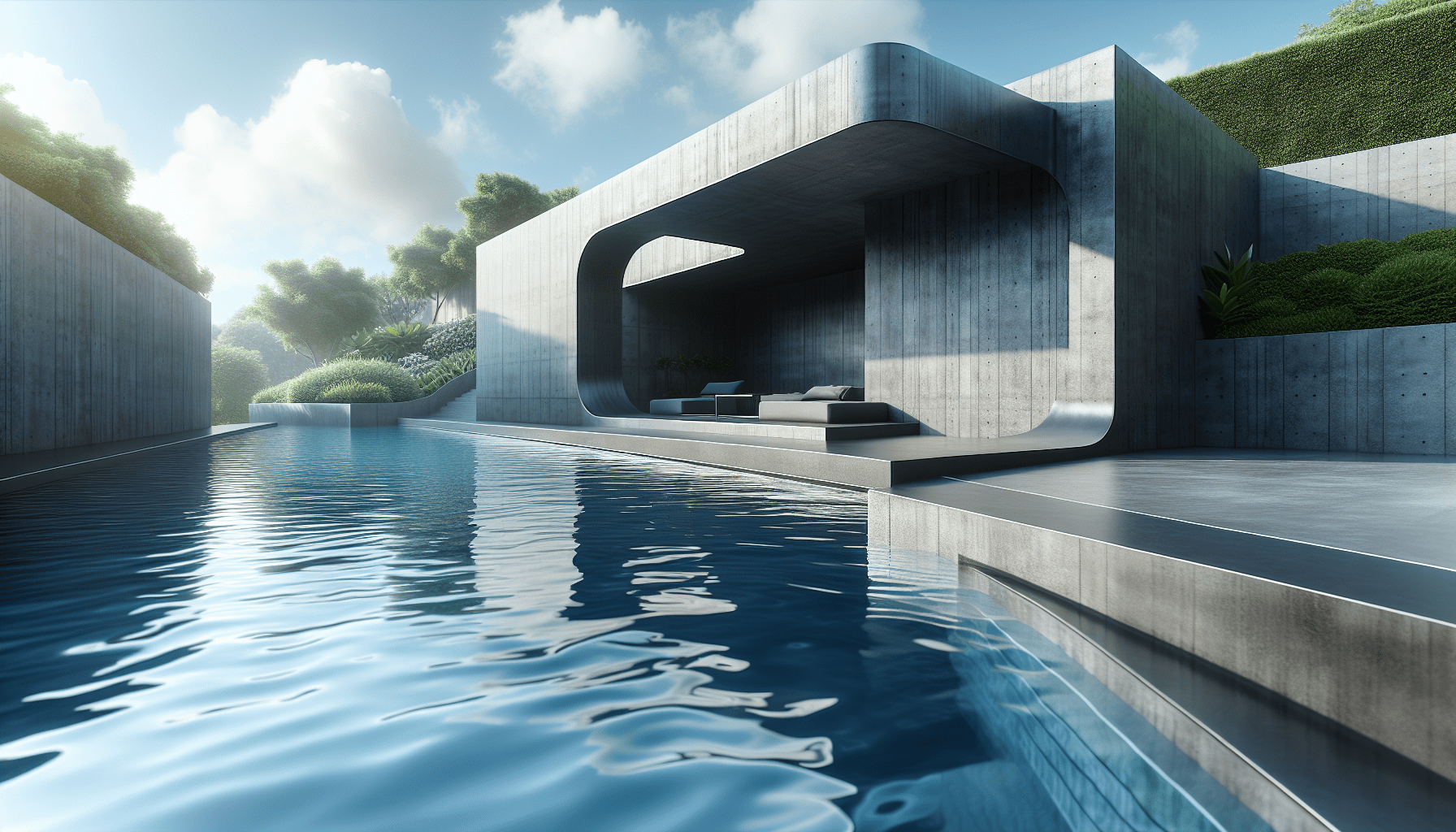

Understanding the Role of Concrete in Pool Construction
To start with, let’s ponder why the choice of concrete matters so deeply in pool construction. Aside from water and sunshine, concrete is the heart of any pool structure. It provides the foundational stability and beauty upon which all else depends. And much like a sturdy heartbeat, the right concrete ensures longevity and minimal maintenance over time.
Why Concrete Is Essential
Concrete is not merely a slab beneath the water. It is the bulwark against the elements, preventing cracks, leaks, and costly repairs. The right kind of concrete can transform what would be an annual maintenance nightmare into a pleasant, enduring aquatic retreat.
Comparing Concrete with Other Pool Materials
In our quest for the best materials, we cannot overlook other pool construction alternatives such as fiberglass and vinyl. Fiberglass pools are noteworthy for their quick installation; however, they can be challenging to customize. Vinyl pools are generally cost-effective but lack durability. These materials have their merits and challenges, but time and again, concrete emerges as the classic choice for many due to its strength and flexibility in design.
| Material | Pros | Cons |
|---|---|---|
| Concrete | Versatile design, durable, customizable | Longer installation, higher initial cost |
| Fiberglass | Quick installation, smooth finish | Limited shapes, high repair costs |
| Vinyl | Low initial cost, customizable shapes | Prone to tears, frequent liner replacement |
Concrete stands out as a timeless option due to its unique balance of aesthetics and resilience. As we contemplate crafting pools that are not only functional but also a reflection of our home’s charm, exploring concrete becomes indispensable.
Types of Concrete Used in Pools
Once we have established concrete as the material of choice, the next step involves understanding the specific types available. Not all concrete is created equal, and knowing the differences is key to selecting the right one for our dream pool.
Shotcrete
Shotcrete is concrete sprayed onto surfaces at a high velocity. This seamless application process makes it ideal for creating complex shapes and designs, allowing for spectacular custom pool layouts that cater to our wildest imaginations.
Gunite
Gunite, another sprayed concrete form, shares similarities with shotcrete but utilizes a dry mix of sand and cement. This technique provides flexibility and strength, making it perfect for building pools that can withstand geological shifts over time without cracking.
Poured Concrete
Traditional poured concrete involves laying wet concrete into pool forms and allowing it to cure. Though less versatile in shape, it remains a solid choice, particularly when budget constraints exist, without compromising on quality.
These options each present their advantages, and the choice among shotcrete, gunite, or poured concrete largely depends on the specific vision we hold for our pool and the surrounding landscape.

Factors to Consider When Choosing Concrete for a Pool
The type of concrete is crucial, yet several additional factors must play into our decision. Without considering these, even the best materials could lead to unsatisfactory results.
Climate Conditions
Our local climate plays a profound role in the selection process. For those of us in regions with fluctuating temperatures, the concrete must withstand expansion and contraction without forming cracks. This durability is the crux upon which the pool life hinges, especially across varied seasonal conditions.
Soil and Ground Stability
The stability of the ground upon which we plan to build is another critical factor. If we live in an area prone to soil movement or erosion, opting for concrete with enhanced flexibility, such as gunite, may be crucial to avert structural damage over time.
Design Preferences and Budget
Ultimately, the choice reflects not only practical concerns but also our personal style preferences and budget. Custom designs might warrant shotcrete for its adaptability, while a straightforward, rectangular pool could do well with poured concrete.
By balancing these considerations, we align our choice not just with immediate desires but also with long-term satisfaction.
Benefits of Choosing the Right Concrete
A leap into the world of pool construction presents as much challenge as it does excitement. However, understanding the tangible benefits of selecting the right concrete emphasizes its importance.
Durability and Longevity
The right concrete ensures a pool that isn’t just beautiful today but remains so for decades. This means fewer headaches over repairs and the peace of mind that our investment is well-protected.
Customization Opportunities
With concrete, personalization knows nearly no bounds. We can craft features such as faux rocks, sun shelves, or even elaborate steps, making our pool uniquely aligned with our tastes.
Increase in Property Value
A well-constructed pool isn’t merely a backyard accessory; it enhances the property value significantly. This return on investment, both in enjoyment and financial terms, can greatly outweigh initial costs.
Recommendations for a Smooth Pool Construction
Having explored the intricacies of concrete options, let us now turn our attention to ensuring a seamless construction process. Partnering with seasoned professionals, for example, is paramount. Their expertise and skill will transform plans into reality, mitigating potential bumps along the way.
Partnering with Gulf Breeze Pools and Spas
For those in Gulf Breeze, Florida, a reputable partner like Gulf Breeze Pools and Spas can make all the difference. Their years of experience and dedication to excellence align perfectly with the high standards we uphold for our backyard sanctuary.
With their guidance, constructing our pool becomes a less daunting endeavor, paving the way to sun-soaked relaxation and joyous gatherings with family and friends.
Conclusion
In the end, as we ponder “What is the best concrete for a pool?” we realize it’s about more than choosing the right material—it’s about creating a space that mirrors our desires for joy, relaxation, and beauty. By understanding the role of concrete, evaluating our options, and making informed choices, we craft not just a pool, but an escape from the ordinary. So, let’s deliberate thoughtfully, partner wisely, and envision a summer of countless splashes. After all, in this oasis of our making, every day can be a perfect summer day.