License Number: cpc1457222


Have you ever wondered what happens if we skip the essential process of resurfacing our pool? This might seem like a minor postponement in the grand scheme of pool maintenance, but we assure you, it’s not. There’s a lot beneath the surface (pun intended) and skipping this step can lead to significant issues down the line. Picture this: our once serene and idyllic aquatic retreat turning into a headache-filled maintenance nightmare. It’s not a pretty image, is it?

The Importance of Pool Resurfacing
Before sinking into the consequences of neglect, let’s first understand why pool resurfacing is so crucial. Resurfacing a pool isn’t just about aesthetics—though nobody can deny the appeal of a fresh, smooth surface. It’s very much about functionality and longevity as well. Our pool, when regularly maintained and resurfaced, stands resilient against the elements and remains the oasis we envision.
What is Pool Resurfacing?
Simply put, pool resurfacing is the process of removing the old surface layer of our pool and replacing it with a new one. This can involve various materials such as plaster, tile, or fiberglass, depending on our preference and budget. The surface of our pool weathers a lot—from water chemicals to harsh sunlight—and over time, this can cause wear and deterioration.
Benefits of Regular Pool Resurfacing
Regular resurfacing extends the life of our pool, enhances safety by providing a smooth, clean surface and can significantly reduce maintenance costs. A well-maintained pool surface restricts algae growth and other waterborne plants, ensuring a healthier swimming environment. It also provides an opportunity to check for other issues that might be hiding beneath the water.
Signs We Need to Resurface Our Pool
Knowing when our pool needs resurfacing can be quite straightforward if we pay close attention to the signs. Let’s discuss some of the key indicators that’ll help us decide if it’s time to take action.
Stains and Discoloration
Our pool’s surface, over time, might develop stains and discoloration. These can be caused by minerals in our water or chemical imbalances. While some stains might be removable, persistent discoloration often indicates deeper issues that resurfacing can resolve.
Rough Texture
Have we noticed the pool floor or walls feeling like sandpaper against our feet? A rough texture is not just unpleasant—it can also be a hazard, causing scrapes or snagging bathing suits. This is one of the last cries for help from our pool before it becomes unsafe for use.
Chipping or Flaking
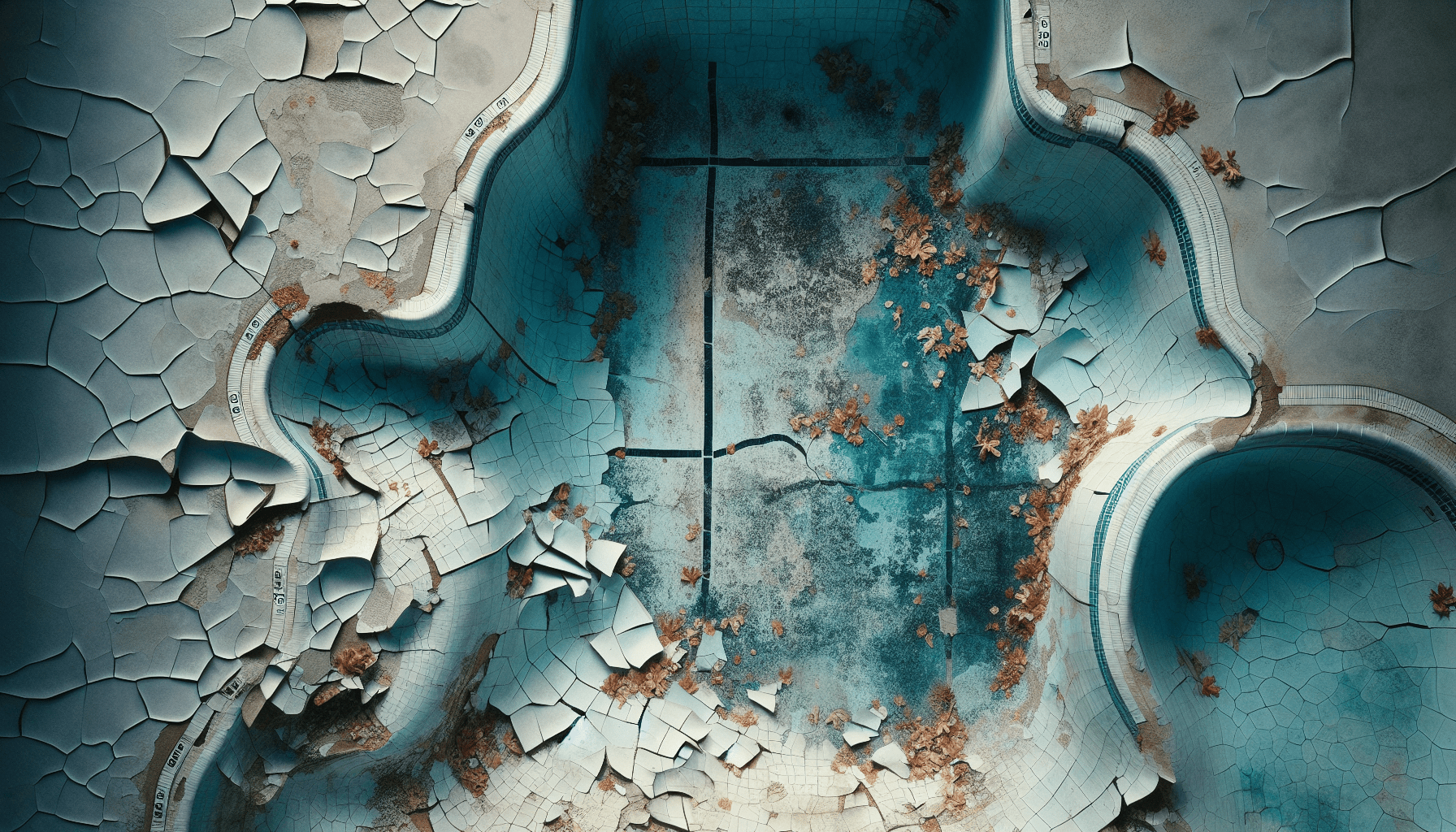
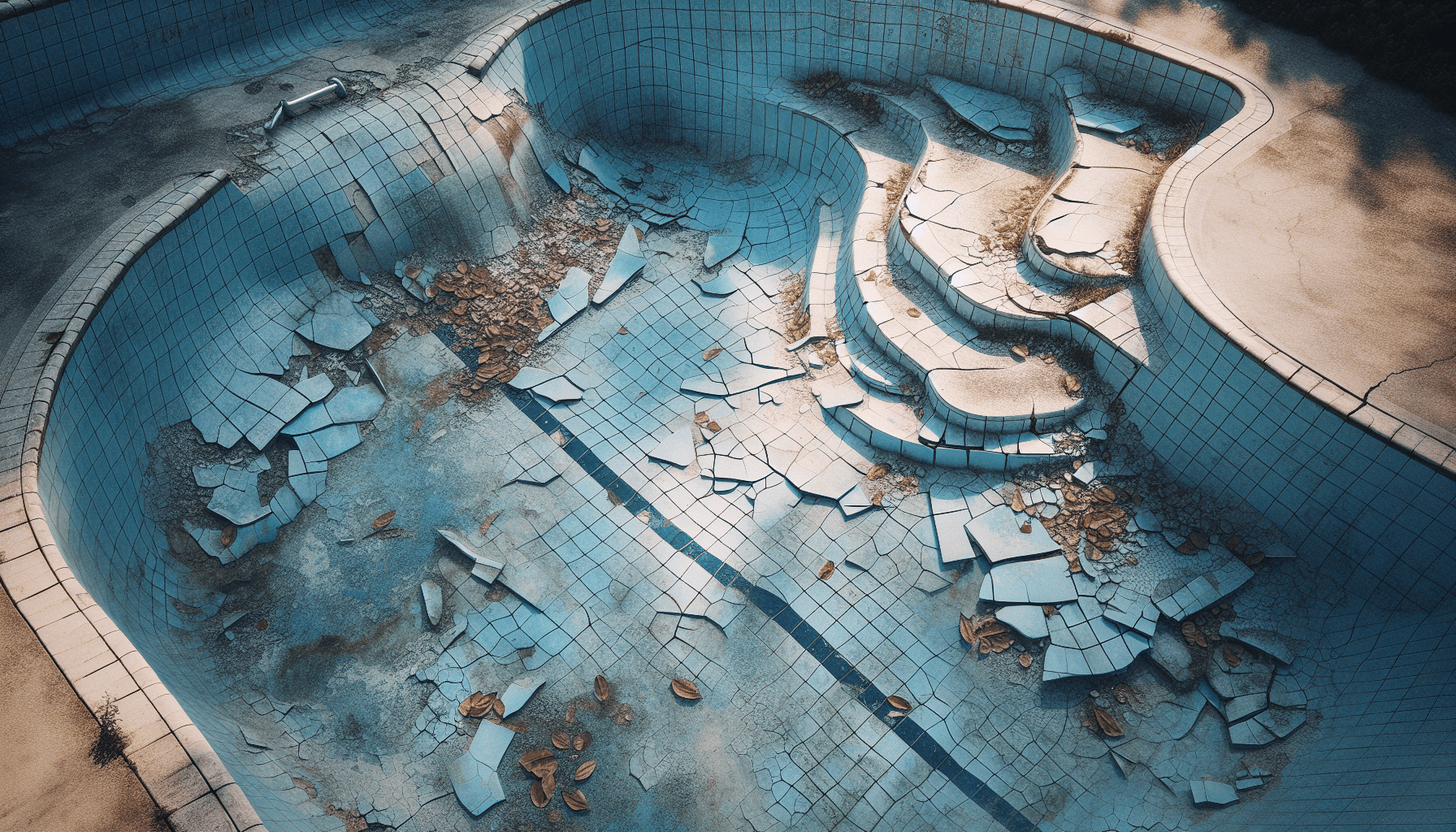
Chips or flakes appearing in the pool’s surface pose not just aesthetic problems but can also point to the underlying structure’s degradation. These issues might seem small initially but can lead to leaks or more extensive structural damage if ignored.
Frequent Leaks
A suddenly high water bill might indicate a hidden culprit: a leak in our pool. While leaks can have various causes, they often stem from surface degradation. Resurfacing can provide a fresh seal, preventing water from slipping away and causing further issues.

Consequences of Not Resurfacing Our Pool
The lure of delaying pool resurfacing often circles around perceived cost savings or the inconvenience of having our aquatic haven out of commission. However, the disadvantages can be far costlier and more inconvenient in the long term.
Structural Damage
Neglecting to resurface can eventually lead to structural damage, as water penetrates and weakens the pool’s base material. Over time, this can result in significant issues that far exceed the costs of resurfacing.
Increased Maintenance Costs
As minor issues escalate into more significant problems, our maintenance efforts and associated costs will skyrocket. Regular cleaning and chemical balancing become more time-consuming and ineffective, as the imperfections in the pool’s surface provide niches for unwanted growth and deposits.
Health and Safety Risks
A damaged pool is not just unsightly; it can pose genuine health and safety risks. Proliferation of algae due to a rough or cracked surface can make our pool a breeding ground for bacteria. Plus, the physical risks of injury from sharp surfaces increase substantially.
Choosing the Right Material for Resurfacing
When we decide to resurface, selecting the right material is crucial. Each material offers different benefits and price points, so let’s explore the most common options.
| Material | Pros | Cons |
|---|---|---|
| Plaster | Affordable, smooth surface | Shorter lifespan, more maintenance required |
| Tile | Long-lasting, many design options, easy to clean | Expensive, can get slippery |
| Pebble | Durable, natural look, slip-resistant | Higher upfront cost |
| Fiberglass | Low maintenance, easy to clean, smooth finish | Fewest design choices, may need professional installation |
Plaster
Plaster is a classic choice. Cost-effective and versatile, it offers a clean look that suits many styles. However, it does require more frequent upkeep and often needs to be resurfaced sooner than other materials.
Tile
If durability and a wide range of aesthetic options appeal to us, then tile may be the way to go. It’s resistant to chemicals and fading but does come at a premium price, and tiles can be slippery when wet.
Pebble
Pebble surfaces provide a natural, textured look that’s both durable and slip-resistant. They rank higher on the cost scale but can be a justified investment for those looking for longevity and style.
Fiberglass
Fiberglass offers a sleek, easy-to-maintain surface that aligns well with modern pool designs. It’s not as customizable as other options and might necessitate professional installation, but it offers peace of mind with reduced maintenance needs.
Partnering with Professionals for Pool Resurfacing
Ultimately, resurfacing is a task best entrusted to professionals who understand the nuances involved. Experts can help guide our choices in materials, address underlying issues, and ensure a flawless finish.
Why Work with Experts?
Ensuring our pool is revived to its full potential often means calling in the experts. They bring specialized knowledge and equipment that lead to a satisfactory and long-lasting result.
Gulf Breeze Pools and Spas
For all our resurfacing needs, Gulf Breeze Pools and Spas offer experienced professionals capable of transforming our pool into the stunning oasis we deserve. Their expertise in pool and spa construction ensures that their guidance is both informed and trustworthy.
Contact Information:
- Address: 4274 Gulf Breeze Pkwy, Gulf Breeze, FL 32563
- Phone: (850) 232-4133
- Website: Gulf Breeze Pools and Spas
Conclusion
To keep our pool as a beloved centerpiece of relaxation and fun, regular resurfacing is an essential part of maintenance. It helps guard against larger structural issues, keeps maintenance costs reasonable, and most importantly, ensures a safe, beautiful environment for us and our loved ones to enjoy. So let’s listen to our pool’s cries for attention and invest in keeping it beautiful and operational for the years to come.
