License Number: cpc1457222


Is it normal for gunite to crack? This question might be buzzing in the minds of many pool owners and enthusiasts. When investing in a beautiful new pool or spa, concerns about its longevity and durability are only natural. Nobody wants to dive into a pool of worries!
But what is gunite, and why does it matter? Gunite, a material with a peculiar yet fascinating name, plays a crucial role in the construction of many swimming pools and spas. Understanding its nature, its strengths, and potential weaknesses, can set our minds at ease and help us make informed decisions. So, let’s embark on this journey together and unravel the mysteries of gunite cracking.

What is Gunite?
For those of us who are still scratching our heads, gunite is a type of concrete. Unlike regular concrete, which is poured into molds, gunite is a blend of cement, sand, and water sprayed onto surfaces at high speed through a hose. This spraying process gives gunite its unique properties, such as flexibility and ease of application.
Why is Gunite Used in Pool Construction?
Gunite is favored in pool construction for several noteworthy reasons. Firstly, its durability and strength rival traditional concrete. Pools need to withstand various forces, from water pressure to environmental conditions, and gunite fits the bill quite nicely. Secondly, its application process allows for more creative and customized shapes, enabling us to design visually stunning pools and spas. Lastly, gunite’s porous nature helps it bond well with plaster, another essential component of pool construction. All these benefits make gunite a popular choice for pool builders, including our friends at Gulf Breeze Pools and Spas.

Common Causes of Gunite Cracking
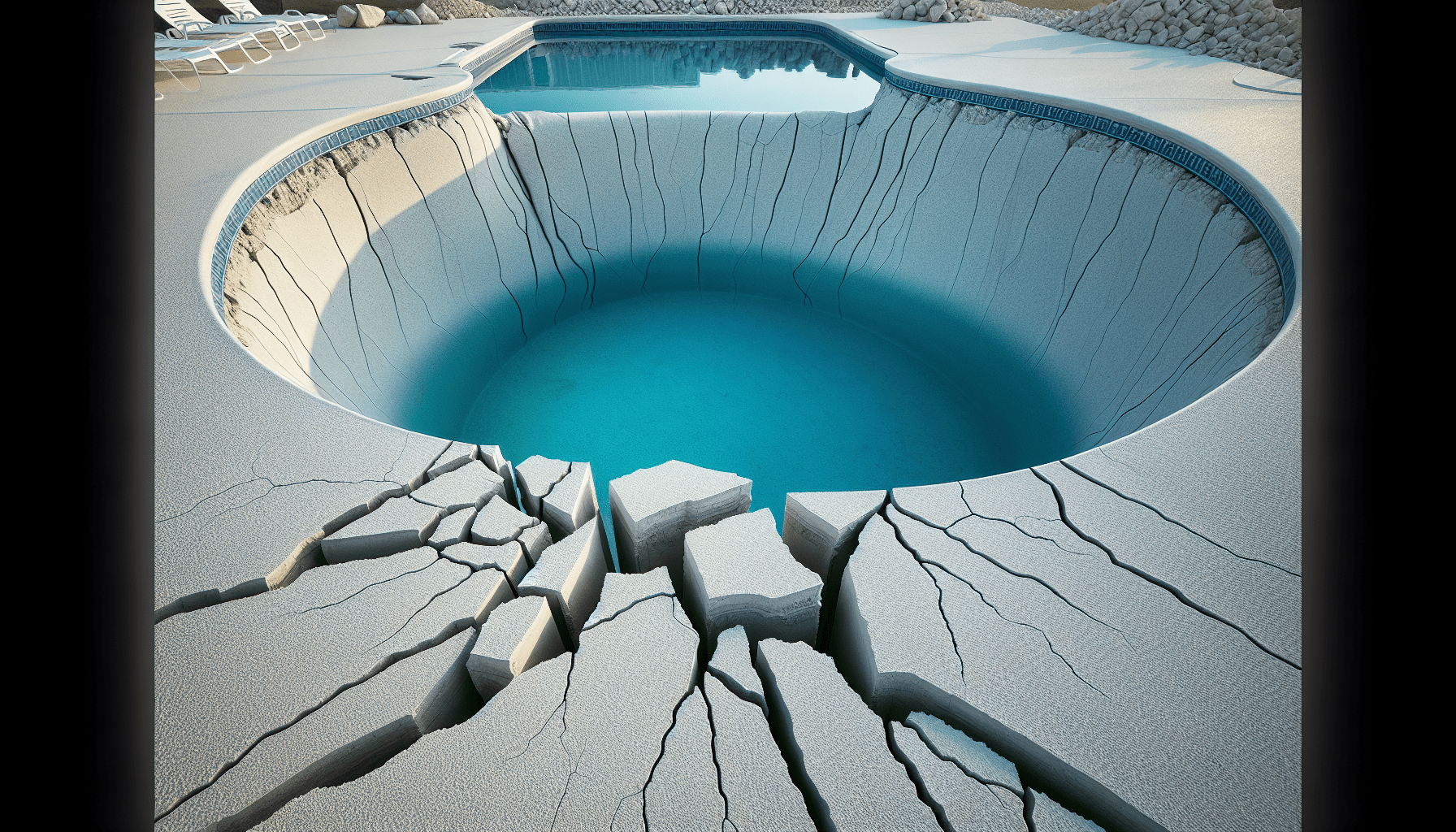
Now, let’s address the elephant in the room: cracks. Cracks can appear in gunite, just like they can in virtually any building material. But unraveling the mystery of why they occur is vital. Here are some common causes:
1. Shrinkage Cracks
One of the most common causes is shrinkage. As gunite dries and cures, it tends to shrink slightly. If this shrinkage isn’t uniform, it can result in small cracks. These cracks are usually superficial and do not inherently compromise the pool’s integrity.
2. Settlement Cracks
Settlement cracks occur when the soil or base beneath the pool moves or settles unevenly. This type of cracking is more serious and can lead to structural issues if not addressed appropriately.
3. Temperature Changes
Yes, we’re talking about climate’s mischief. Extreme temperature fluctuations can cause the material to expand and contract, leading to what we call thermal cracks. These are usually minor but can become problematic if they grow over time.
4. Improper Application
Sometimes, the culprit is human error. Improper mixing, application, or curing of gunite can result in cracks. This emphasizes the importance of hiring reputable professionals, such as Gulf Breeze Pools and Spas, for construction projects.
Recognizing Different Types of Gunite Cracks
Understanding the type of crack is crucial in determining its significance and the appropriate remedy. Here’s a handy table to keep things clear:
| Type of Crack | Characteristics | Implications |
|---|---|---|
| Shrinkage Cracks | Fine lines, superficial, appear during curing | Usually harmless, cosmetic concern |
| Settlement Cracks | Larger, uneven, may follow ground contours | Potential structural issue, needs attention |
| Thermal Cracks | Appear after temperature changes, can be web-like | Mostly minor, but monitoring is essential |
| Application Cracks | Inconsistent with typical patterns, improper workmanship | Depends on severity, may need repair |
How to Prevent Gunite Cracks
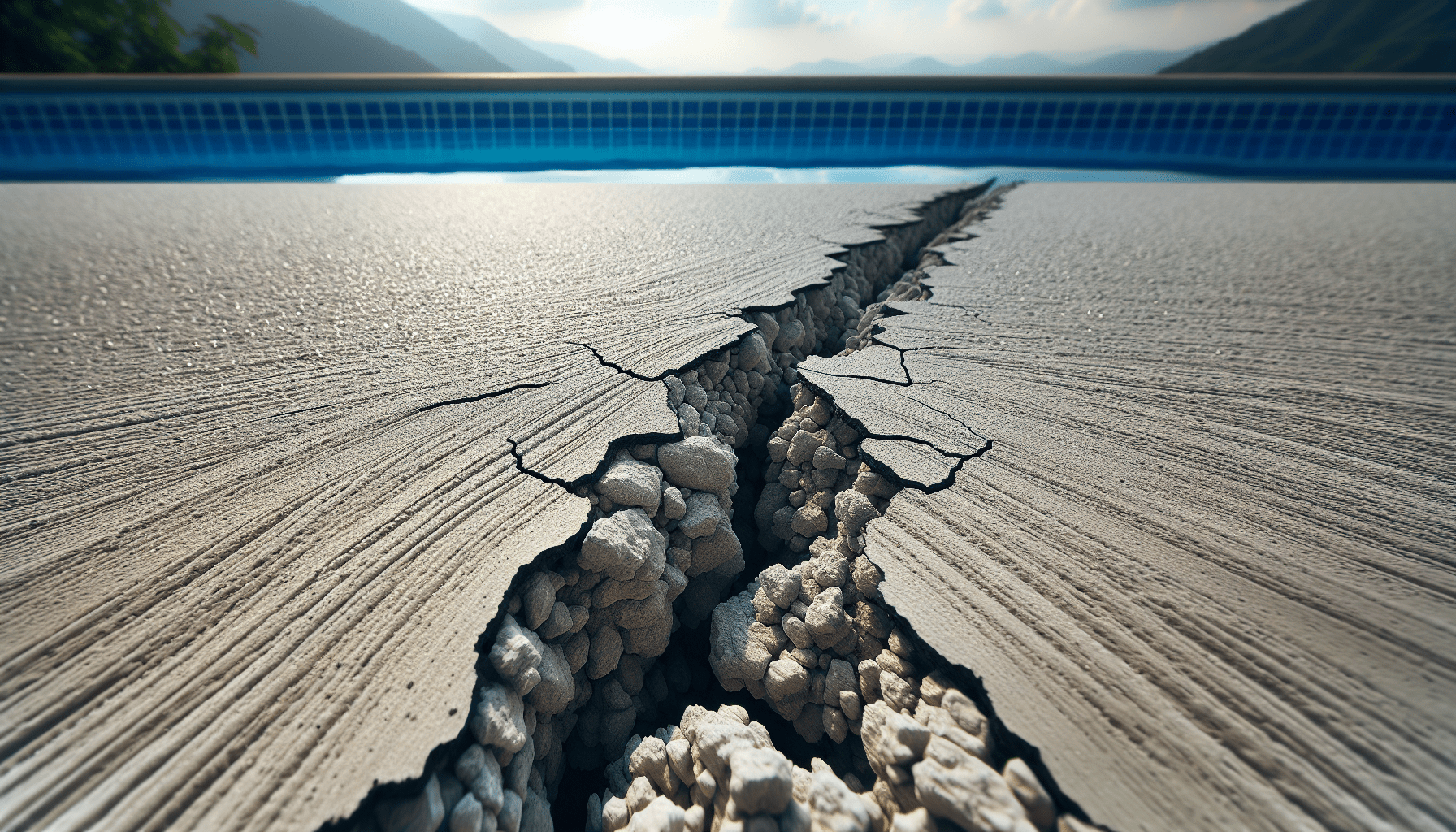
“No cracks, no woes.” That might become our new motto once we understand how to prevent these pesky rifts in our pool. The key lies in proper planning and execution.
1. Professional Installation
Hiring experienced professionals ensures that the mix and application of gunite are done correctly. Established companies, such as Gulf Breeze Pools and Spas, come equipped with the knowledge and expertise to deliver quality results.
2. Proper Soil Preparation
Before the gunite is applied, the soil and base beneath the pool must be adequately prepared. This includes proper compaction and possibly using a geomembrane to prevent uneven settlement.
3. Curing Process
After applying gunite, it needs to cure properly. This means maintaining adequate moisture levels to ensure even drying. Some methods include using wet burlap, misting water, or a curing compound.
4. Temperature Management
Managing the environmental conditions during application and curing can help prevent thermal cracks. This might involve covering the pool during extreme weather or using temperature-controlled environments for indoor facilities.
Repairing Gunite Cracks
Finding a crack in our pool can be alarming, but not all is lost! Many cracks can be repaired to restore our oasis to its former glory.
1. Assess the Crack
Before rushing to fix it, assessing the type and extent of the crack is crucial. Cosmetic cracks can often be left as-is or filled with minor patchwork. Structural cracks, on the other hand, may require professional intervention.
2. Surface Repairs
For minor cracks, surface repairs can work wonders. Using a pool plaster or epoxy filler can seal the crack and prevent water from seeping in.
3. Professional Repair Services
For more significant or troubling cracks, it’s best to call in the experts. Companies like Gulf Breeze Pools and Spas can evaluate the issue and recommend effective solutions to restore your pool’s structural integrity.
Maintaining Gunite Pools and Preventing Future Issues
Maintenance is the keystone of a lasting and beautiful pool. Regular checks and timely actions can nip potential problems in the bud.
1. Regular Inspections
Regularly inspecting the pool for any signs of cracks or wear is a good practice. Early detection can simplify repairs and prevent minor issues from becoming major headaches.
2. Manage Water Chemistry
Maintaining proper water chemistry isn’t just about swim comfort. Imbalanced pH levels can affect the gunite surface, leading to degradation or cracking over time. Regular testing and adjustments are essential.
3. Seasonal Care
Different seasons bring different challenges. Winterizing the pool, managing water levels, and monitoring for ice buildup during cold seasons can prevent damage caused by freeze-thaw cycles.
Final Thoughts on Gunite Cracking
We started this journey with a question, and now, hopefully, the answers are clearer. Yes, it’s normal for gunite to crack, but not all cracks spell disaster. Understanding the causes, types, and remedies for gunite cracking can help us maintain our pools better and worry less.
And when in doubt, always reach out to trusted professionals like Gulf Breeze Pools and Spas. Their expertise ensures that our private paradises remain safe, beautiful, and enjoyable for years to come.
Gulf Breeze Pools and Spas
4274 Gulf Breeze Pkwy
Gulf Breeze, FL 32563
Phone: (850) 232-4133
Visit Their Website
May our swimming days be filled with nothing but sun and fun—and our worries about cracks be as small as the ripples in our perfect pools!